Politics · World News Bureau
India's protest movements reshape policy and politics across decades
From linguistic disputes to agricultural reforms, grassroots activism has repeatedly forced India's government to reconsider major policy decisions. Current challenges to electoral processes continue a tradition of dissent that has defined Indian democracy.
LSN World News ·
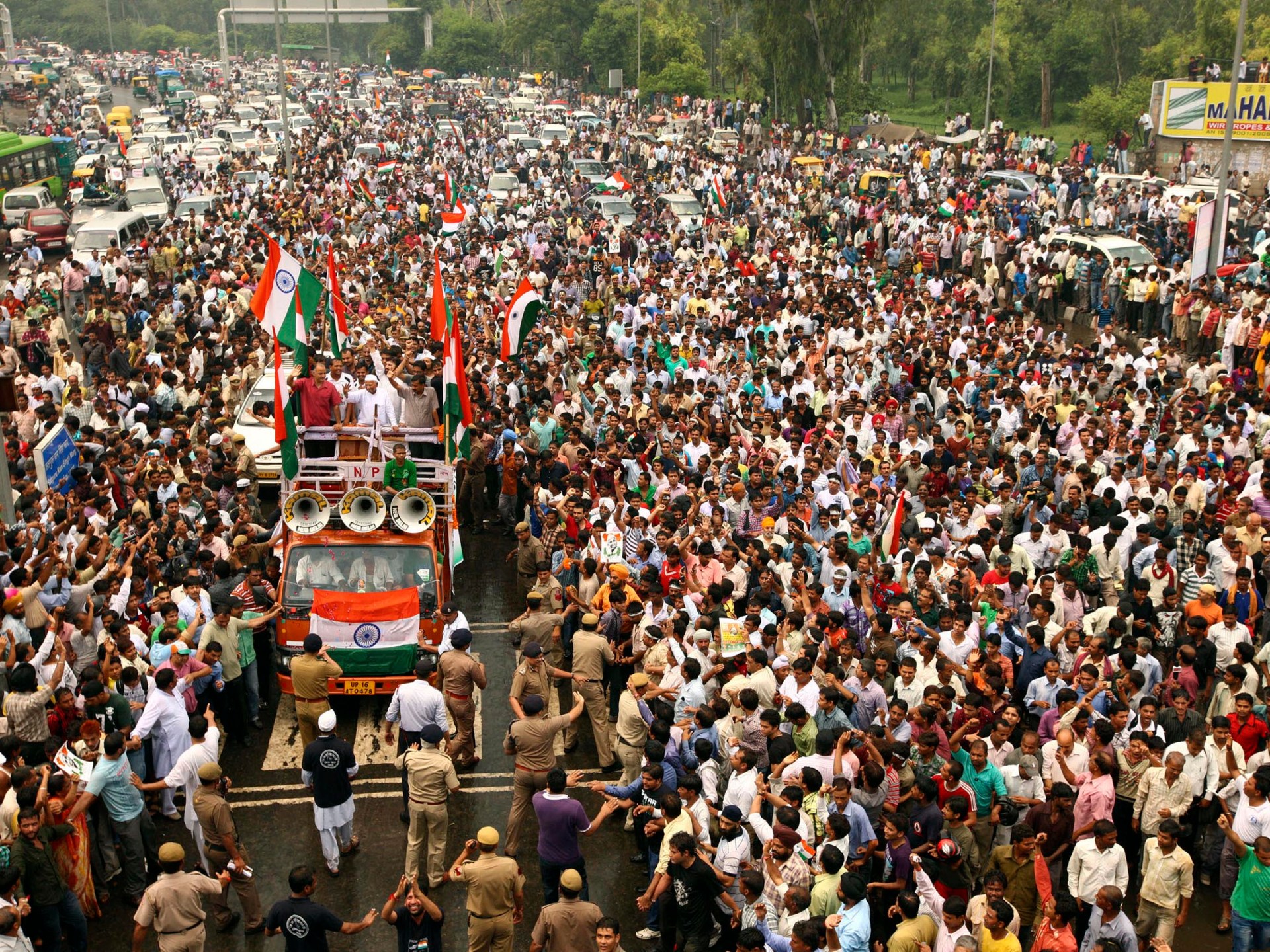
India's history of mass mobilization reveals how street-level pressure has repeatedly influenced the nation's political trajectory. The anti-Hindi agitation of the 1960s demonstrated the power of regional sentiment, ultimately preserving English as an official language alongside Hindi and protecting minority linguistic identities. Similar dynamics emerged with the farmers' protests of 2020-2021, when sustained demonstrations against agricultural legislation forced the government to repeal three contentious farm laws after more than a year of blockades and rallies.
These movements reflect deeper patterns in Indian democracy where civil society organizations, student groups, and community leaders have leveraged collective action to challenge state authority. The strategies employed—from sit-ins to highway blockades to petition campaigns—have become established tools within India's political culture, passed down through generations of activists and adopted by new movements addressing contemporary grievances.
Current activism surrounding electoral roll irregularities follows this established playbook, with demonstrators invoking historical precedents of successful campaigns. The longevity and diversity of India's protest movements underscore both the resilience of democratic participation and ongoing tensions between government initiatives and grassroots opposition. Whether focused on language policy, agricultural reform, or electoral administration, these movements continue shaping how India's institutions respond to citizen demands and adapt to evolving social priorities.