World · India Bureau
India's protest zones shift away from traditional power centres
As demonstrations move to peripheral locations, urban planners and civil society observers warn of broader implications for public participation and civic engagement. The geographical shift reflects changing dynamics in how Indians exercise their right to protest.
LSN India ·
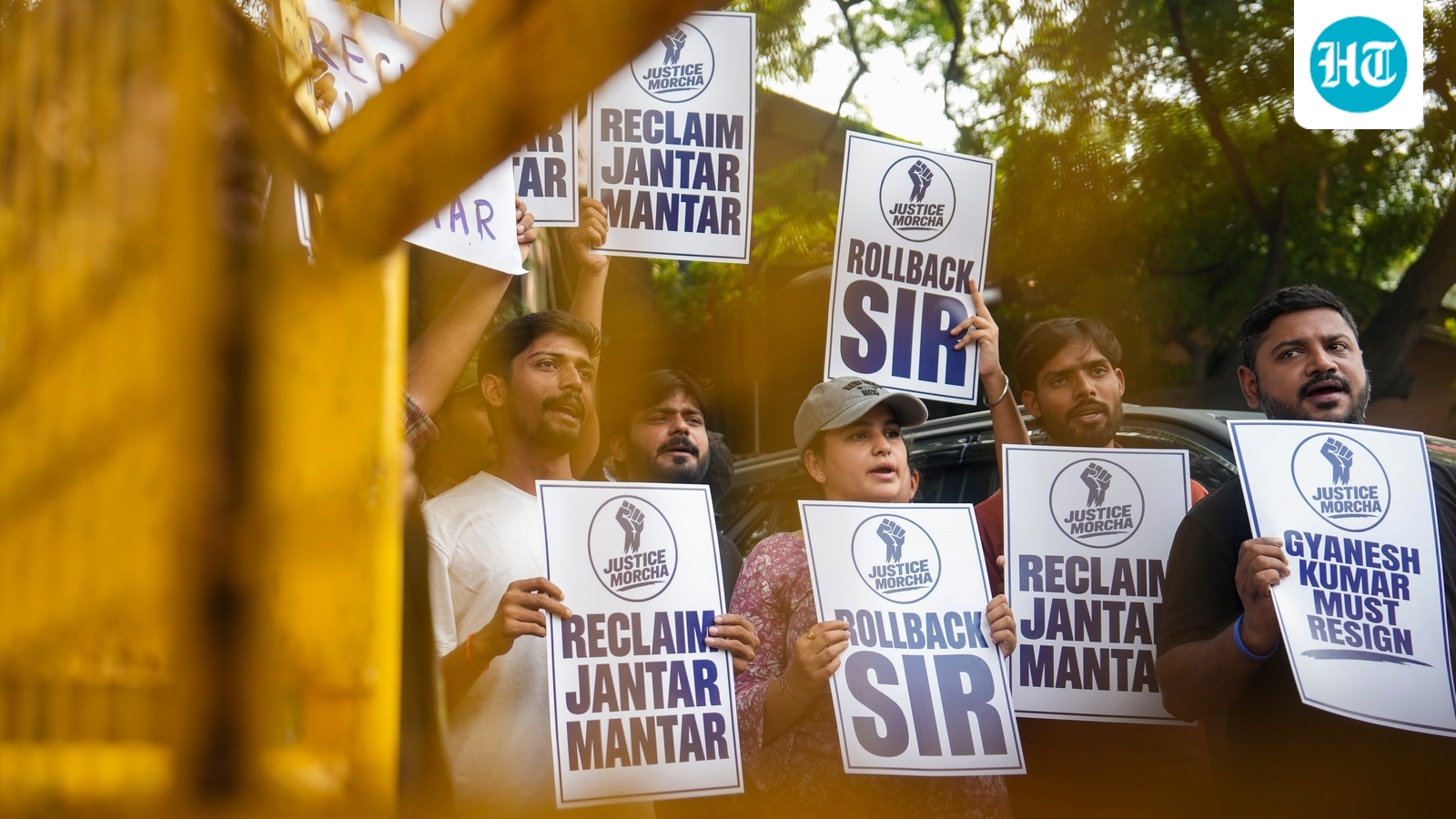
India's protest landscape is undergoing a spatial transformation, with demonstrations increasingly occurring in areas far removed from seats of political and administrative power. What was once concentrated around parliament complexes, state assemblies, and central business districts is now dispersing to suburban and outlying regions, a pattern that urban researchers and activists say carries significant implications for democratic participation.
This geographical drift reflects multiple factors, from policing strategies that restrict access to core urban areas to the practical constraints faced by demonstrators travelling from residential peripheries. Authorities have implemented measures that effectively push protests away from high-visibility locations, while the physical expansion of cities has moved residential populations—and consequently their civic engagement—outward.
Urbanists argue the relocation fundamentally alters the character of public protest. Demonstrations held at considerable distance from power centres face reduced media visibility and political pressure, potentially diminishing their effectiveness as tools for voice and accountability. Simultaneously, the reconfiguration reshapes how urban public spaces function, with peripheral areas increasingly becoming sites of civic contestation previously reserved for downtown locales.
Civil society observers emphasize that this shift raises questions about equitable access to protest infrastructure and the physical prerequisites for meaningful democratic participation. As cities sprawl and protest zones disperse, the ability of ordinary citizens to participate in demonstrations without substantial time and resource investment becomes increasingly constrained, potentially tilting civic engagement toward organized groups with greater logistical capacity.