World · India Bureau
India's push for higher-ethanol fuel: what drivers need to know
India is moving toward greater ethanol blending in petrol, a shift aimed at reducing import dependence and emissions. The transition will have significant implications for vehicle owners and the automotive sector.
LSN India ·
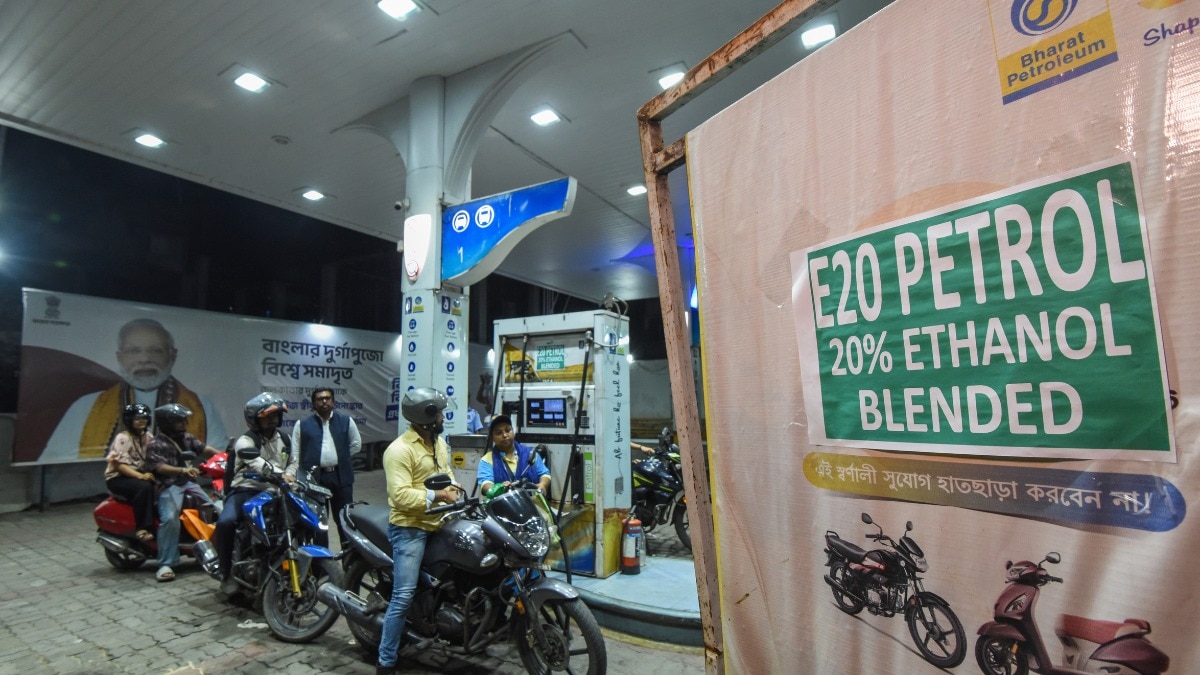
India's government has outlined plans to increase ethanol blending in petrol as part of its broader energy security and environmental strategy. The initiative seeks to leverage domestic agricultural output, particularly sugarcane, to reduce reliance on crude oil imports while lowering carbon emissions from the transport sector.
The push toward higher-ethanol fuels represents a substantial shift in India's fuel policy. Currently, petrol available at most pumps contains up to 10 percent ethanol (E10). The government's roadmap envisages progression toward E20 fuel—containing 20 percent ethanol—and potentially higher blends in the coming years, aligning with similar programmes undertaken by countries including Brazil and the United States.
For motorists, the transition carries both opportunities and considerations. Vehicles manufactured to E20 specifications will benefit from lower fuel costs and potentially improved environmental performance. However, owners of older vehicles may face compatibility issues, as higher ethanol concentrations can affect engine components, fuel systems, and overall vehicle performance if the vehicle was not engineered for such blends. Manufacturers are adapting production lines to ensure newer models can handle higher ethanol content.
The ethanol blending programme also aims to support India's agricultural sector by creating additional revenue streams for sugarcane farmers. Enhanced domestic demand for ethanol could strengthen rural economies while simultaneously advancing the nation's climate commitments under international frameworks.
As the rollout progresses, consumers should verify their vehicle's compatibility with ethanol blends before refuelling. The automotive industry continues working with regulators to establish clear standards and ensure a smooth transition across India's diverse vehicle fleet.