Business · India Bureau
India's reform blueprint took shape decades before 1991, says Desai
Former planning official Nitin Desai has argued that the intellectual foundations for India's landmark 1991 economic reforms were laid in the late 1970s. He contends that the nation's current priority should be generating employment through manufacturing growth rather than relying on agriculture.
LSN India ·
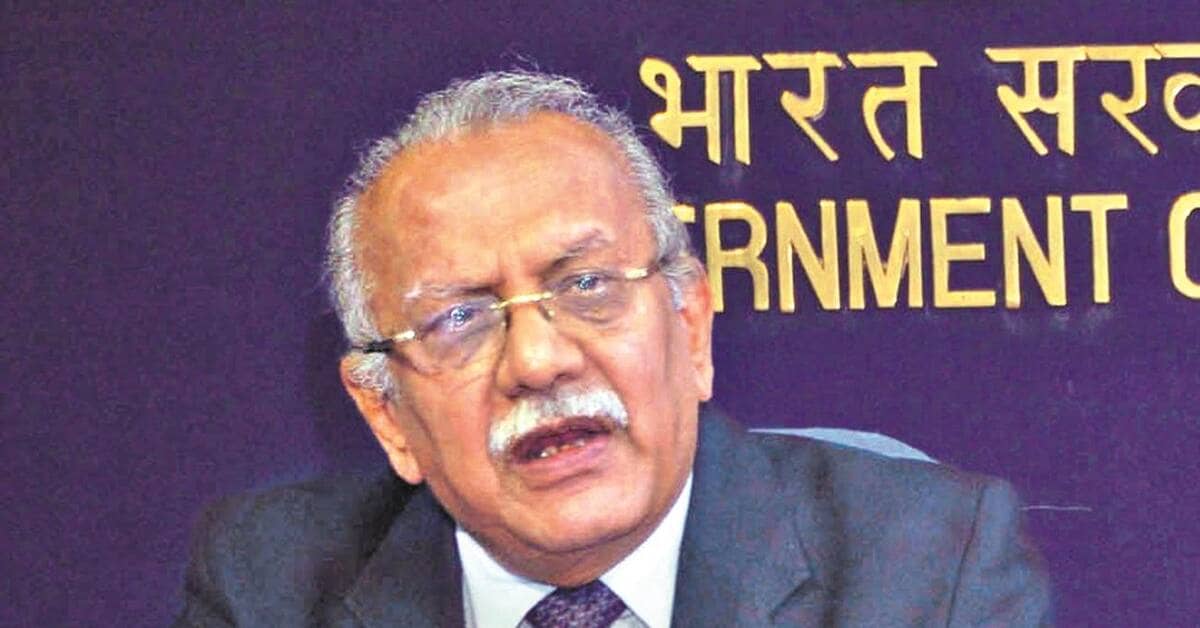
The conceptual groundwork for India's transformative 1991 economic reforms originated much earlier than commonly acknowledged, according to Nitin Desai, a senior economist and former principal secretary to the Planning Commission. While the liberalization measures were formally implemented three decades ago, Desai suggests that policy thinkers and government officials had begun developing and debating reform ideas throughout the late 1970s, creating an intellectual framework that would eventually reshape India's economic trajectory.
Desai's assessment challenges the conventional narrative that presents 1991 as a sudden policy rupture, instead positioning the reforms as the culmination of evolving economic thought within government circles. The shift toward market-oriented policies, foreign investment liberalization, and reduced state control had been incubating within policy discussions for years before Prime Minister Narasimham Rao's government formally enacted the changes.
Looking forward, Desai emphasizes that India now faces a more pressing challenge than the structural reforms of the 1990s. The pressing need, he argues, is to accelerate manufacturing sector growth and foster new business creation to generate substantial employment opportunities. This expansion is critical for facilitating the large-scale transition of workers from agriculture to higher-productivity sectors, a shift essential for sustained economic development and rising living standards across the country.
The economist's perspective underscores the long-term nature of India's economic transformation and signals that policymakers must now redirect focus toward employment generation and industrial development to build on the foundations established three decades ago.