Politics · India Bureau
India's renewable energy expansion shields economy from global shocks: Modi
Prime Minister Narendra Modi has credited India's accelerating shift toward green energy with insulating the nation's economy from international crises. At a renewable energy summit, Modi unveiled plans for an additional 500 GW of non-fossil fuel capacity and enhanced transmission infrastructure.
LSN India ·
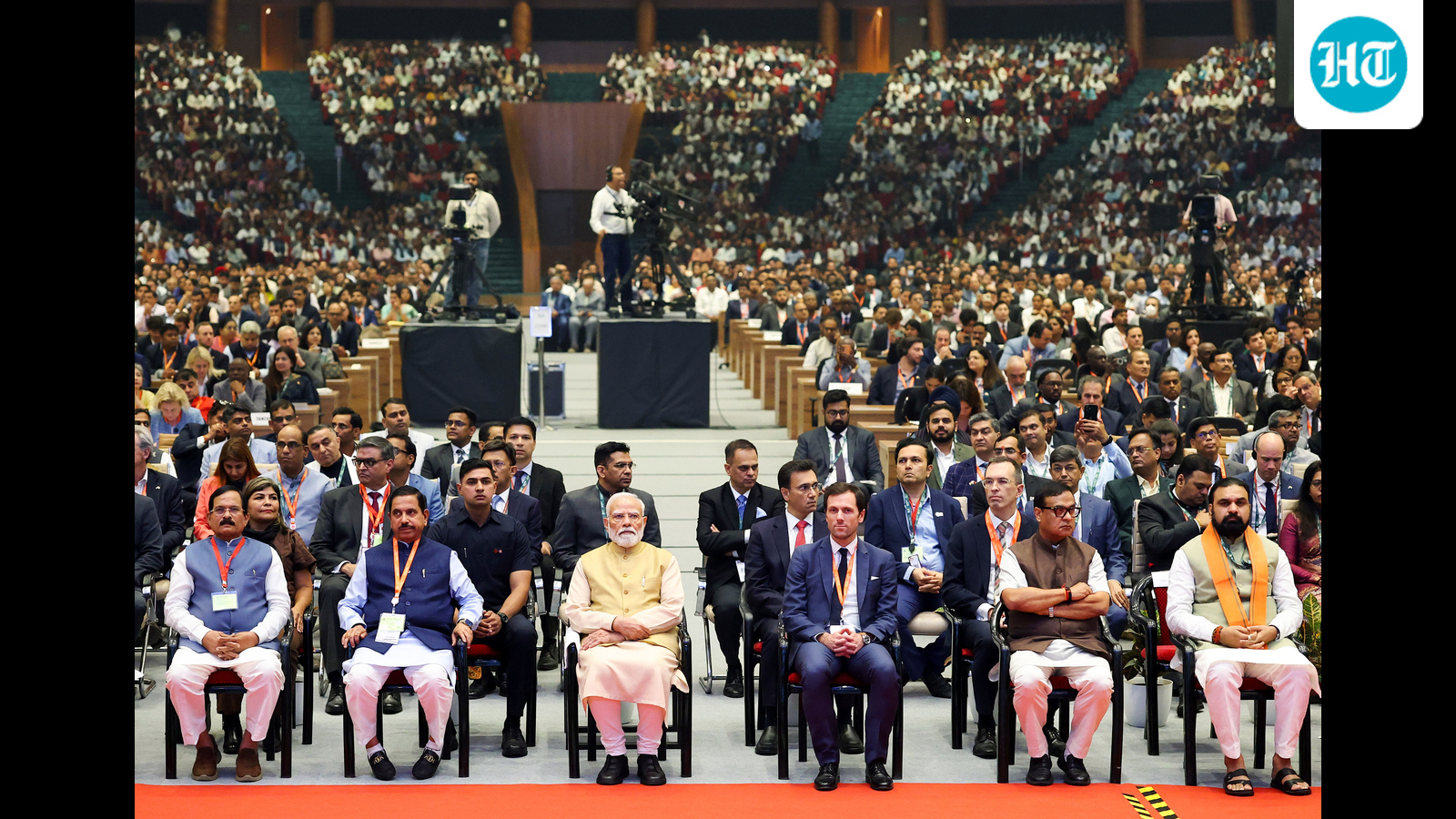
Prime Minister Narendra Modi has attributed India's relative resilience during global economic and energy upheavals to its aggressive renewable energy transition. Speaking at a renewable energy summit, Modi framed the country's green shift as a strategic buffer against international volatility and supply chain disruptions that have affected other economies.
Modi outlined an ambitious expansion program targeting an additional 500 GW of non-fossil fuel capacity, significantly advancing India's renewable energy portfolio. The renewable energy sector has emerged as a critical growth driver for the Indian economy, creating employment opportunities while reducing dependence on imported fossil fuels.
Centrally, Modi highlighted the importance of strengthening transmission infrastructure to support the scaling of renewable capacity across the country. Robust transmission networks are essential to distribute power efficiently from generation centers to consumption hubs, particularly as India integrates larger volumes of wind and solar energy into its grid.
The renewable energy push aligns with India's climate commitments and broader energy security objectives. By diversifying its energy mix away from fossil fuels, India aims to achieve greater economic independence while meeting growing electricity demand from its expanding industrial and residential base.
Industry analysts note that India's renewable energy sector has attracted substantial domestic and foreign investment, positioning the nation as a key player in the global green energy transition. The expansion of non-fossil fuel capacity is expected to drive technological innovation and cost efficiencies across the sector.