Business · India Bureau
India's renewable push demands urgent battery storage capacity expansion
India faces a critical shortage in battery energy storage systems as renewable energy capacity grows, with domestic manufacturing meeting less than 1% of projected demand. Industry leaders warn that import dependency should not become an excuse for delayed deployment of essential storage infrastructure.
LSN India ·
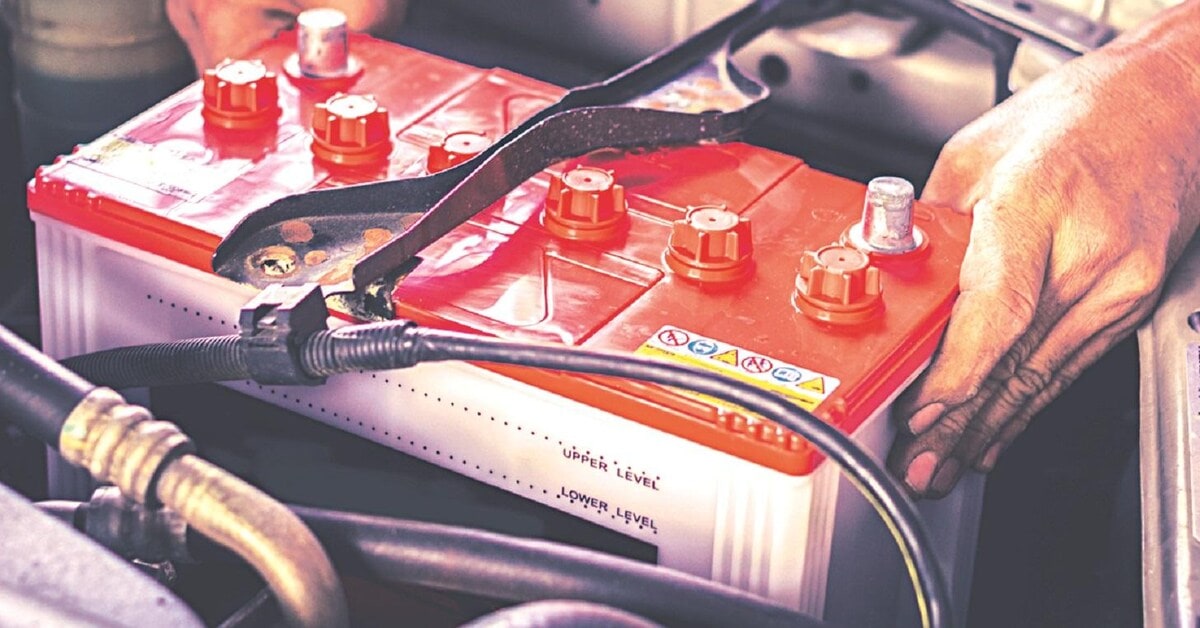
The rapid expansion of renewable energy capacity across India has exposed a significant gap between electricity storage needs and current manufacturing capabilities, industry stakeholders cautioned. Battery energy storage systems (BESS) and pumped storage projects have become essential infrastructure as the country scales up solar and wind generation to meet surging electricity demand and stabilize grid supply.
India's domestic battery manufacturing capacity remains severely constrained, currently accounting for less than 1% of the approximately 260 GWh demand pipeline expected from competitive tenders by 2026. This mismatch between production capacity and market requirements has prompted industry members to call for accelerated investment in manufacturing infrastructure and localized battery cell component production.
Experts emphasized that energy storage technologies are critical to addressing the intermittency challenges inherent in solar power generation and unlocking the full growth potential of renewable energy. The ability to store and dispatch electricity efficiently directly impacts India's ability to balance variable renewable generation with peak demand periods across the grid.
Industry stakeholders have also cautioned policymakers against allowing import dependence to become a rationale for slow deployment of storage systems. Rather than delaying infrastructure projects, they argue that India should pursue parallel strategies of expanding domestic manufacturing while meeting immediate demand through imports and technology partnerships during the transition period.