Business · India Bureau
India's retrofitment sector poised to reshape mobility landscape
Electric vehicle retrofitment presents a decentralised alternative to traditional EV manufacturing, potentially leveraging India's vast network of local mechanics and small workshops. Industry analysts suggest this approach could democratise vehicle electrification while creating employment opportunities across the country.
LSN India ·
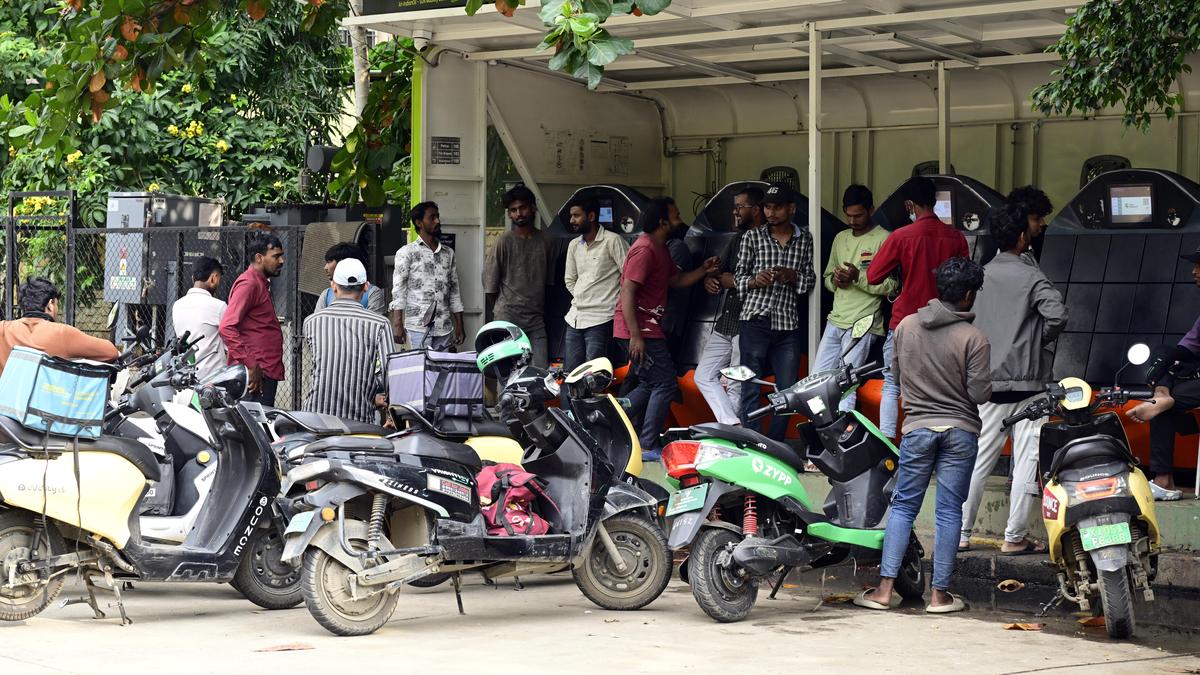
India's automotive sector is increasingly looking at vehicle retrofitment as a pathway to accelerate electric vehicle adoption without requiring the massive capital investments and centralised manufacturing infrastructure demanded by conventional EV production.
Unlike large-scale EV manufacturing, which concentrates production in designated industrial hubs and demands substantial economies of scale, retrofitment distributes opportunities across India's existing network of neighbourhood repair shops and independent technicians. This decentralised model aligns with the country's established automotive service ecosystem, where tens of thousands of small workshops already maintain and repair vehicles across urban and rural areas.
Industry observers point out that retrofitment can absorb the existing automotive workforce without requiring wholesale transitions to new manufacturing paradigms. Local mechanics, with appropriate training and certification, can transition into retrofit technicians, converting conventional vehicles into electric alternatives within their existing community-based workshops. This approach preserves livelihoods while channelling entrepreneurial energy into the electrification agenda.
The model's scalability depends significantly on standardised training programmes and certification frameworks that equip technicians with the necessary skills and knowledge. If implemented effectively, such initiatives could establish a distributed network of certified retrofitters operating across neighbourhoods and cities, making vehicle electrification accessible and locally manageable.
For policymakers and industry stakeholders, retrofitment represents a potential lever for achieving mobility transformation targets while sustaining India's complex web of smaller enterprises and service providers.