Politics · India Bureau
India's revamped PM-KUSUM scheme to let farmers generate solar power
India's government will soon launch an upgraded version of its flagship PM-KUSUM renewable energy scheme that will enable farmers to generate solar power while continuing to grow crops on the same land. The enhanced scheme aims to create a decentralised renewable energy model suited to rural India's agricultural landscape.
LSN India ·
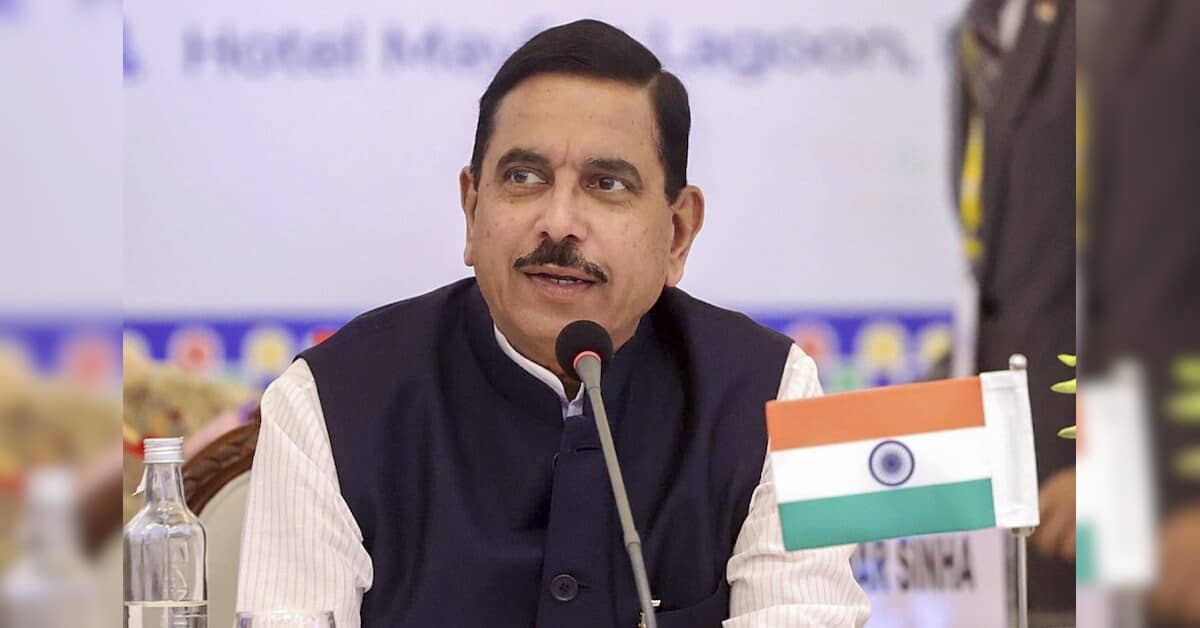
Union Minister Pralhad Joshi announced on Wednesday that PM-KUSUM 2.0 will be unveiled shortly, representing a significant expansion of the original initiative designed to help India's farming community transition towards renewable energy generation. Addressing participants at the curtain-raiser event for the 7th Agrivoltaics World Conference 2026, scheduled for October 21-23 in New Delhi, Joshi described the new version as a game-changer for decentralised renewable energy in rural areas.
The upgraded scheme will feature a dedicated 10 GW agri-photovoltaic component specifically promoting the co-location of solar panels with crops—a practice known as agrivoltaics. This dual-use model allows farmers to maintain agricultural productivity while generating income from renewable energy, addressing the twin challenges of food security and clean energy transition.
Government officials indicated that PM-KUSUM 2.0 will command a higher budget allocation compared to its predecessor, reflecting New Delhi's commitment to scaling up the initiative. The timing is significant given that over 85 per cent of India's farming population consists of small and marginal farmers operating on less than 2 hectares—a category that stands to benefit substantially from income diversification through solar generation.