World · India Bureau
India's river interlinking project risks spreading invasive species across basins
Environmental scientists warn that proposed water connections between India's river systems could facilitate the spread of invasive alien species and aquatic pathogens across ecologically distinct basins. The Lower Ganga basin alone harbours 13-15 invasive species that threaten vulnerable populations in connected waterways.
LSN India ·
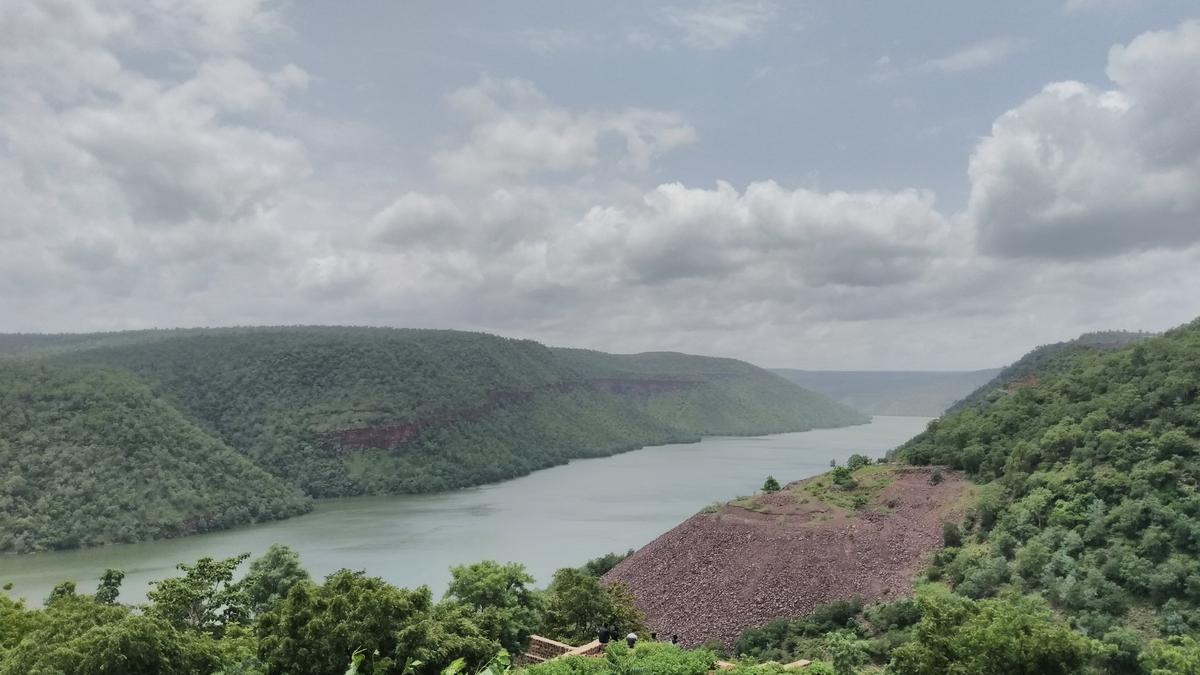
India's ambitious river interlinking project faces a significant ecological challenge: the potential spread of invasive alien species and disease-causing pathogens across the country's waterways. The Lower Ganga basin currently hosts between 13 and 15 invasive alien species, creating a reservoir of biological threats that could expand into connected river systems.
The Mahanadi basin, which could become a primary target if water connections are established, is home to 69 threatened species found nowhere else. The artificial linking of these hydrologically distinct systems could expose these endemic species to invasive organisms that have already established themselves in the Ganga basin, potentially destabilising ecosystems that have evolved in isolation.
Beyond invasive species, the proposed interlinking poses another threat through the transmission of aquatic pathogens. Water transfers between basins could introduce diseases and parasites that one ecosystem's flora and fauna have no evolutionary defence against, fundamentally altering the unique biological character of each river system.
Environmental experts emphasize that individual river basins have developed distinct biodiversity profiles refined over millennia. The river interlinking project, while designed to address water scarcity and irrigation challenges, risks homogenizing these ecosystems and eroding the biological diversity that makes India's waterways ecologically significant.