World · World News Bureau
India's rooftop solar expansion faces uneven growth, threatening energy goals
India's ambitious renewable energy targets are being tested by inconsistent adoption of rooftop solar installations across states, with significant regional disparities threatening the country's broader decarbonization strategy.
LSN World News ·
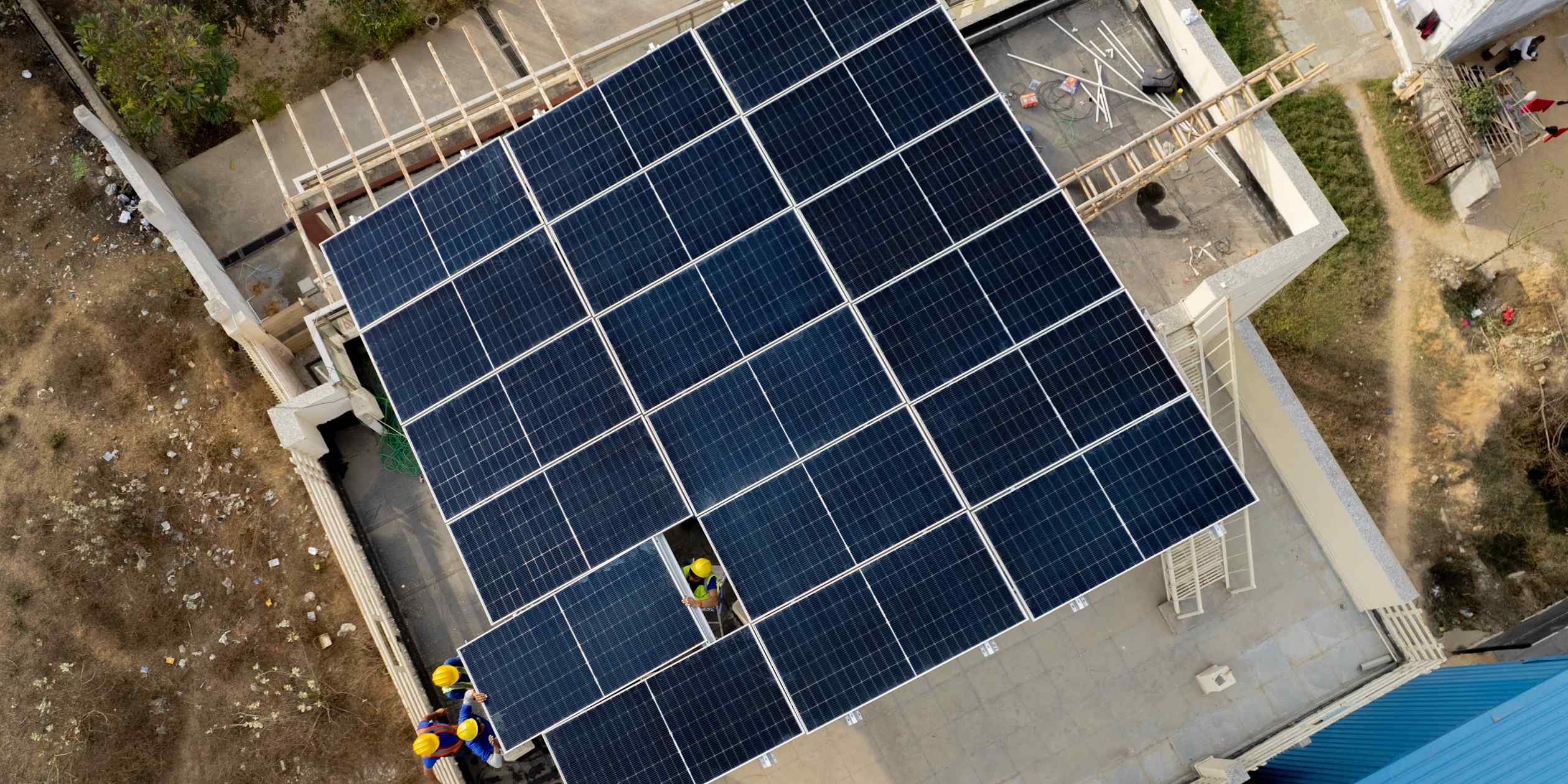
India has positioned rooftop solar as a cornerstone of its renewable energy expansion, with the technology offering households and businesses a path to reduce grid dependence while supporting national climate commitments. However, progress has been markedly uneven across different states, revealing underlying challenges in implementation, financing, and policy coordination that could undermine broader energy ambitions.
The disparity reflects multiple obstacles facing the sector. Wealthier states with established solar industries and robust financing ecosystems have seen significant uptake, while economically disadvantaged regions lag considerably. Technical barriers including grid integration challenges, inconsistent subsidy structures, and varying regulatory frameworks have created a fragmented market that fails to realize the sector's full potential.
Financial constraints remain a persistent hurdle for potential adopters. Despite government incentive schemes, upfront installation costs deter many households and small businesses. The absence of standardized financing mechanisms and inconsistent quality assurance across states has further complicated market development and deterred investment.
Policy experts note that India's renewable energy targets of reaching substantial solar capacity require coordinated action between federal and state governments. Without addressing regional disparities through harmonized standards, improved access to financing, and streamlined permitting processes, rooftop solar adoption risks remaining concentrated in pockets rather than achieving the scale necessary to meaningfully reshape India's energy landscape.