World · Singapore Bureau
India's rural women face dual burden of unpaid labour and low wages
Despite growing participation in India's agricultural workforce, rural women continue to struggle with systemic wage inequality and uncompensated domestic and farm responsibilities. The challenges underscore persistent gender disparities in South Asia's largest economy.
LSN Singapore ·
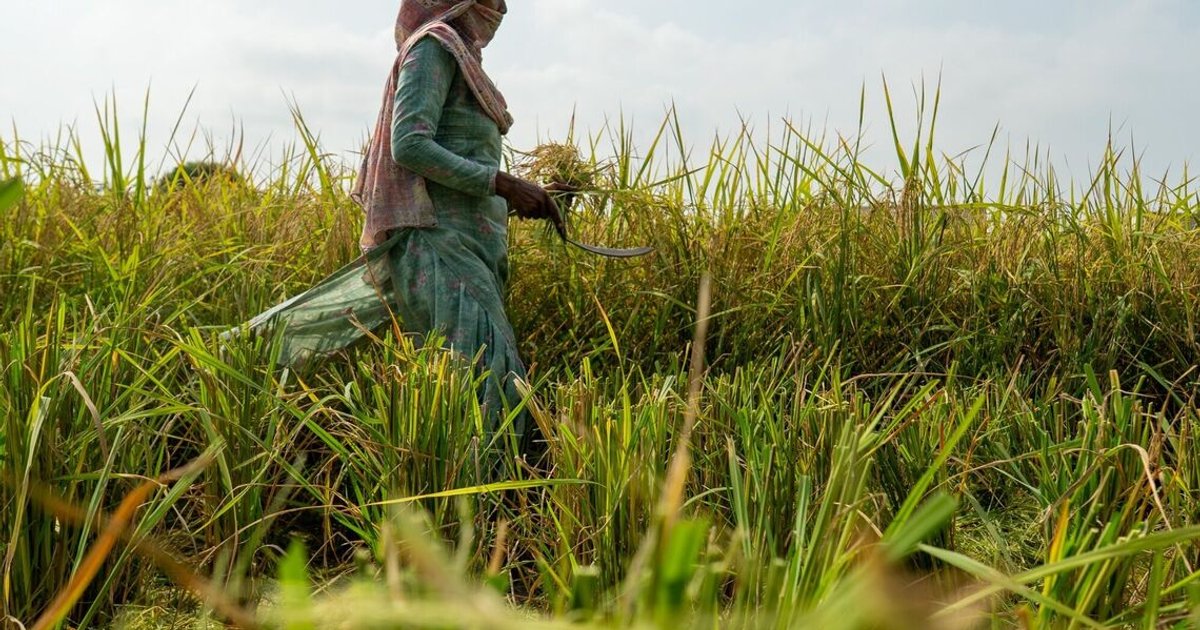
Rural women across India constitute a significant portion of the agricultural labour force, yet remain among the lowest-paid workers in the country's economy. Many balance paid farm work with extensive unpaid labour at home, a pattern that constrains their economic mobility and reinforces traditional gender roles in farming communities.
The disparity in compensation reflects broader structural inequalities. Women agricultural workers typically earn substantially less than their male counterparts for equivalent tasks, while also shouldering primary responsibility for household management, childcare, and domestic chores. This dual burden limits their ability to pursue education, skill development, or more lucrative employment opportunities.
The situation varies across India's diverse agricultural regions, with some states implementing minimum wage schemes that theoretically cover women workers. However, enforcement remains inconsistent, and many women remain unaware of their rights or lack mechanisms to claim fair compensation.
Advocates for rural development argue that addressing wage gaps and recognising unpaid domestic labour are essential for rural economic development. Improved access to formal employment contracts, skills training, and cooperative farming initiatives could provide pathways toward greater financial independence for India's estimated 100 million rural working women.