World · India Bureau
India's Second Vande Bharat Sleeper Train Set for November 2026 Launch
Indian Railways is preparing to roll out the country's second Vande Bharat Sleeper train service from November 1, 2026, promising significantly faster journey times on key routes. The new service is expected to cut travel duration by up to eight hours compared to conventional sleeper trains.
LSN India ·
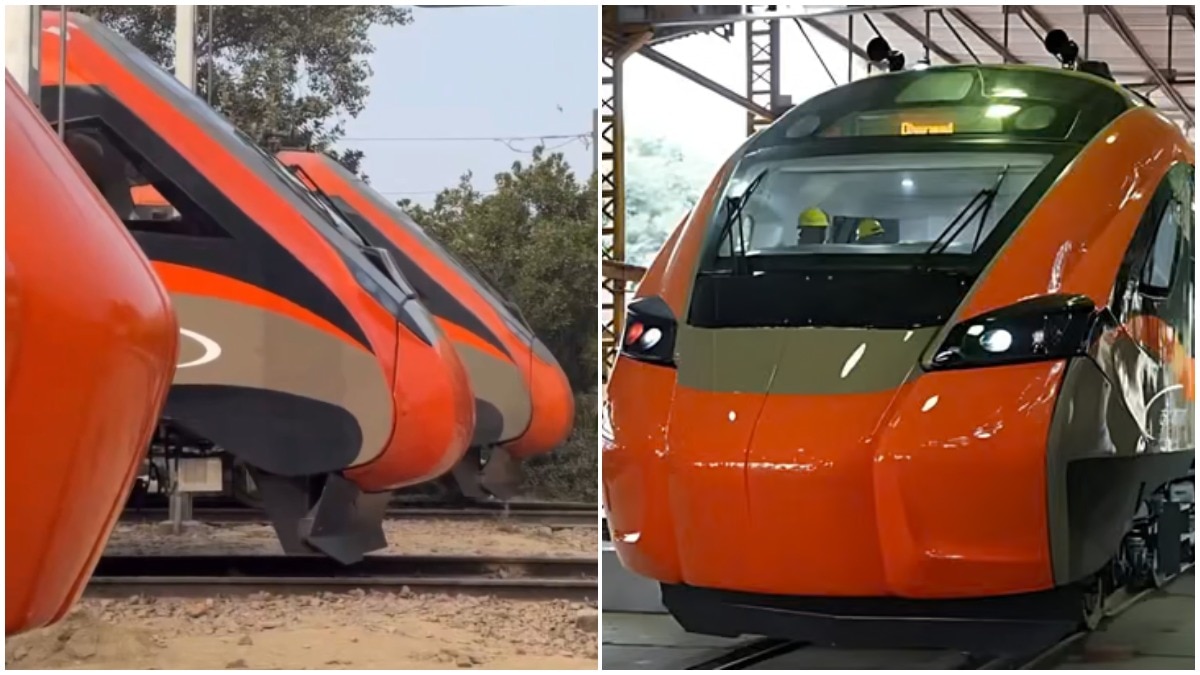
According to Railway Ministry sources, the second Vande Bharat Sleeper train is scheduled to commence operations on November 1, 2026, marking a major expansion of India's premium rail offerings. The advanced sleeper coach will be equipped with modern amenities and enhanced comfort features designed for overnight long-distance travel.
The train is expected to cover approximately 1,153 kilometres in around 16 hours, a substantial improvement over the 22-24 hours or more currently required on comparable routes using traditional sleeper coaches. This reduction in travel time reflects the superior speed and efficiency capabilities of the Vande Bharat platform, which has already demonstrated strong performance on daytime express services across the country.
Railways officials are finalizing details regarding the exact route, station stoppages, and fare structure for the new service. The pricing for Vande Bharat Sleeper coaches is being calibrated to offer competitive rates while reflecting the enhanced comfort and reduced journey duration. Detailed information about specific stations, timetable, and ticket prices is expected to be announced by the Ministry in the coming months.
The introduction of this second Vande Bharat Sleeper aligns with Indian Railways' broader modernization strategy to upgrade its fleet and enhance passenger experience on long-distance routes. The success of earlier Vande Bharat services has encouraged the national transporter to expand the programme with sleeper variants designed to cater to overnight travel demand across various regional corridors.