Politics · India Bureau
India's security concerns drive Starlink policy, not social media: Dubey
The chair of Parliament's IT panel has defended India's cautious approach to satellite internet services, asserting that security considerations—not public pressure—guide the nation's regulatory stance. The statement comes as tensions simmer over Elon Musk's criticism of India's resistance to Starlink's market entry.
LSN India ·
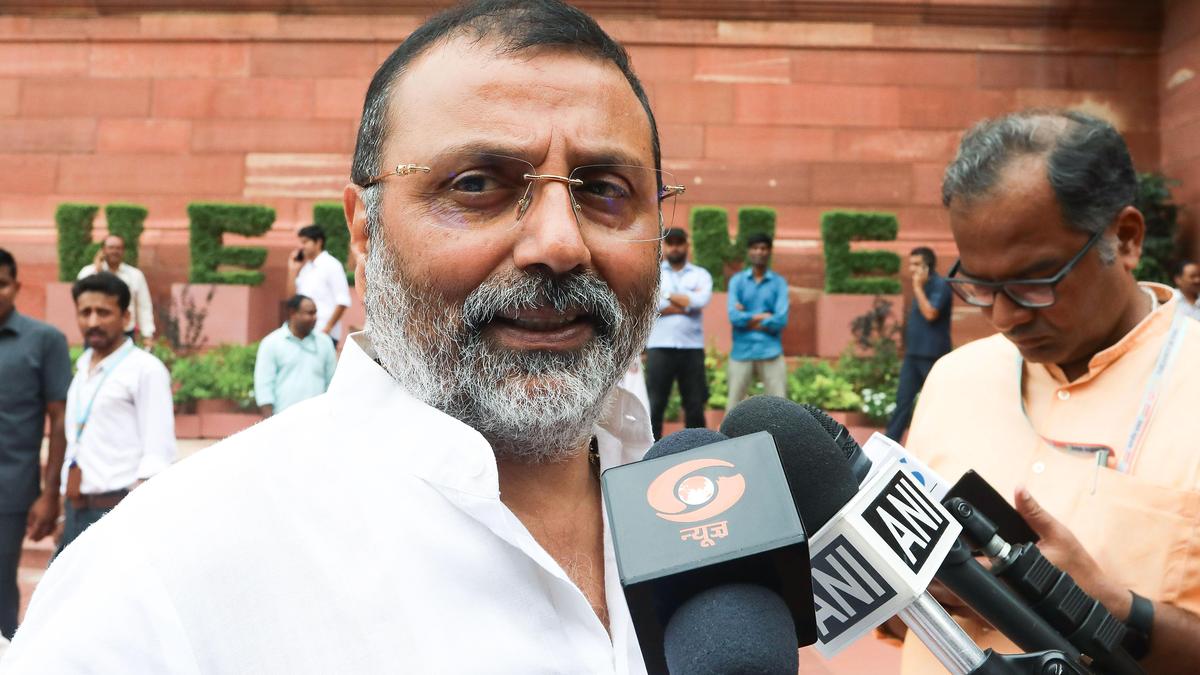
Nishikant Dubey, chairman of the Standing Committee on Information Technology, pushed back against suggestions that India's security policy is shaped by social media sentiment, emphasizing instead that rigorous examination of potential threats informs the government's decision-making process.
Dubey noted that the parliamentary committee has conducted a detailed review of security concerns associated with Starlink and other satellite internet services seeking to operate in India. The investigation has focused on issues including data sovereignty, national security implications, and the regulatory framework needed to govern such services in the Indian context.
The remarks represent an official response to Elon Musk's recent criticism of India's measured approach to permitting Starlink operations in the country. Musk has suggested that resistance to the satellite internet provider stems from protectionist tendencies rather than legitimate security concerns.
India has maintained a cautious stance on satellite internet services, seeking to balance connectivity goals with security safeguards. The government has outlined conditions that foreign satellite operators must meet before gaining operational clearance, reflecting concerns about foreign control over critical communication infrastructure.
The committee's position underscores New Delhi's broader approach to technology regulation, wherein security considerations typically take precedence in decisions affecting strategic sectors.