Politics · India Bureau
India's Semicon 2.0 push could unlock ₹5 trillion in chip sector investment
The government's renewed focus on developing indigenous advanced semiconductor manufacturing capacity aims to attract substantial capital investment and reduce reliance on foreign chip imports. The initiative targets domestic production of cutting-edge 3-7 nanometer chips used in premium technology products.
LSN India ·
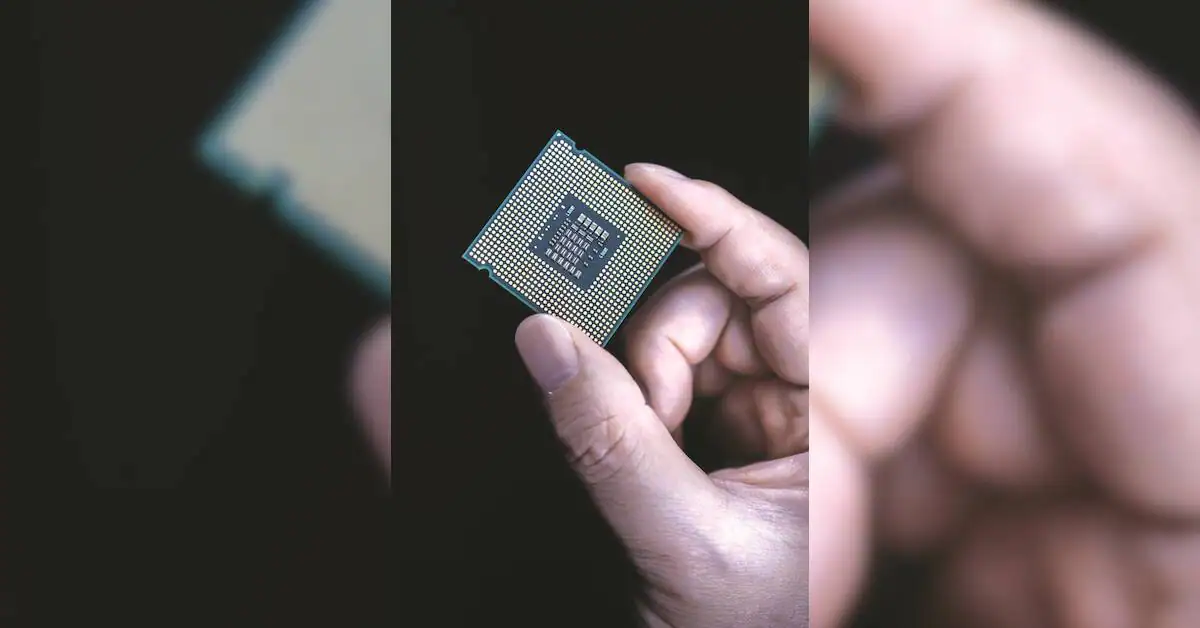
India is positioning itself to become a significant player in global semiconductor manufacturing through an enhanced push under its Semicon 2.0 program, according to industry body IESA. The initiative focuses on accelerating indigenous development of advanced small-size chips in the 3-7 nanometer range, which power high-end consumer electronics, computing devices, and emerging technologies.
The renewed policy framework is expected to catalyze over ₹5 trillion in cumulative investment across India's chip ecosystem, industry analysts suggest. This substantial capital infusion would span semiconductor fabrication plants, design centers, and supporting infrastructure needed to build a complete domestic supply chain.
The program addresses a critical gap in India's technology manufacturing base. Currently, the country remains heavily dependent on imported semiconductors, with domestic production capacity severely limited in advanced chip segments. By targeting the 3-7 nanometer node technology, India aims to compete in the most commercially valuable segment of the semiconductor market.
Government backing through incentive schemes and policy support is intended to attract both domestic and foreign semiconductor manufacturers to establish operations in India. The move aligns with broader efforts to reduce dependence on global supply chains and position the country as a viable alternative manufacturing hub for advanced electronics components.