Politics · India Bureau
India's semiconductor sector registers growth but struggles with funding shortfall
India has emerged as the third-largest hub for semiconductor firm registrations globally, yet persistent gaps in capital availability and research spending threaten to derail the nation's chip-making ambitions despite supportive government policies.
LSN India ·
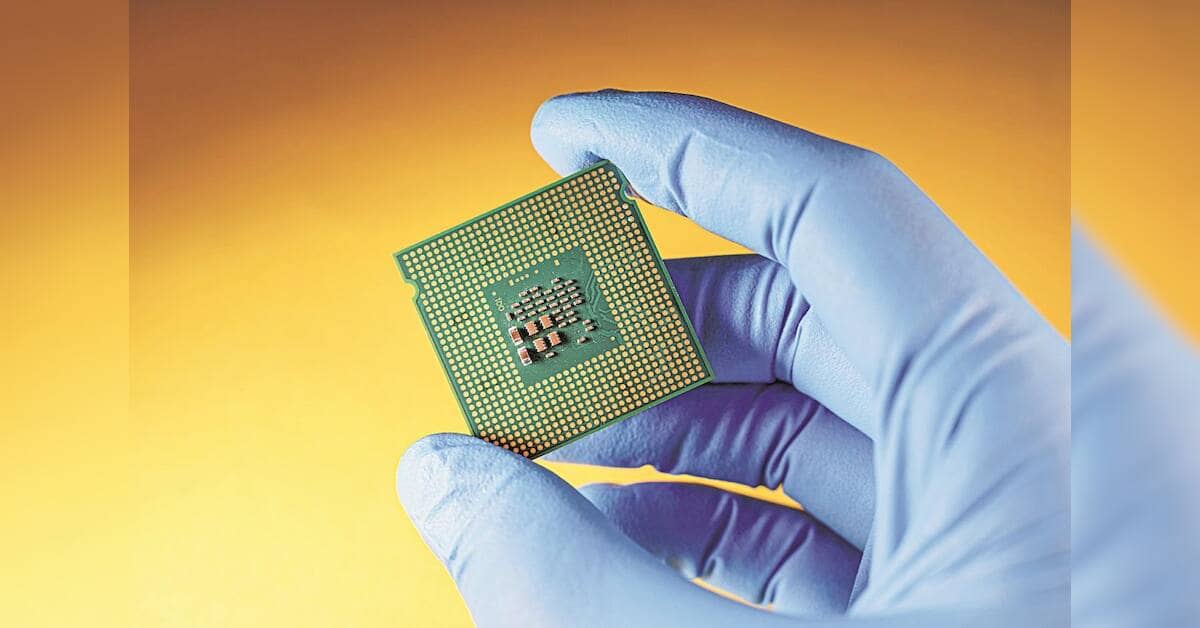
India's push to establish itself as a significant player in semiconductor manufacturing is gaining traction on paper, with the country ranking third worldwide in new chip company registrations. However, the sector faces critical headwinds that could undermine this apparent momentum, according to analysis of industry data.
While policy initiatives such as the Production-Linked Incentive scheme have created a favourable regulatory environment, the funding landscape remains constrained. Capital availability for semiconductor ventures falls short of requirements needed to scale operations and develop competitive manufacturing capabilities. This funding gap threatens to widen the distance between India's regulatory ambitions and practical capabilities on the ground.
Research and development spending presents another concern. Investment in R&D—essential for developing indigenous chip design and fabrication technologies—remains insufficient relative to global competitors. This weakness in innovation spending could limit India's ability to move beyond assembly and testing into higher-value semiconductor production.
The trade deficit in semiconductors continues to expand, reflecting India's reliance on imports to meet domestic demand. Without addressing the underlying capital and R&D shortfalls, experts warn that the sector risks remaining dependent on foreign suppliers rather than achieving genuine self-sufficiency in chip production. Bridging these gaps will require sustained policy attention and substantially increased private sector investment.