Business · India Bureau
India's shipping sector faces freight cost pressures amid low cargo volumes
Indian exporters and importers are grappling with elevated freight costs and service disruptions as the country struggles to attract consistent shipping capacity. Experts caution that subsidies may offer only temporary relief as the global shipping industry undergoes significant technological transformation.
LSN India ·
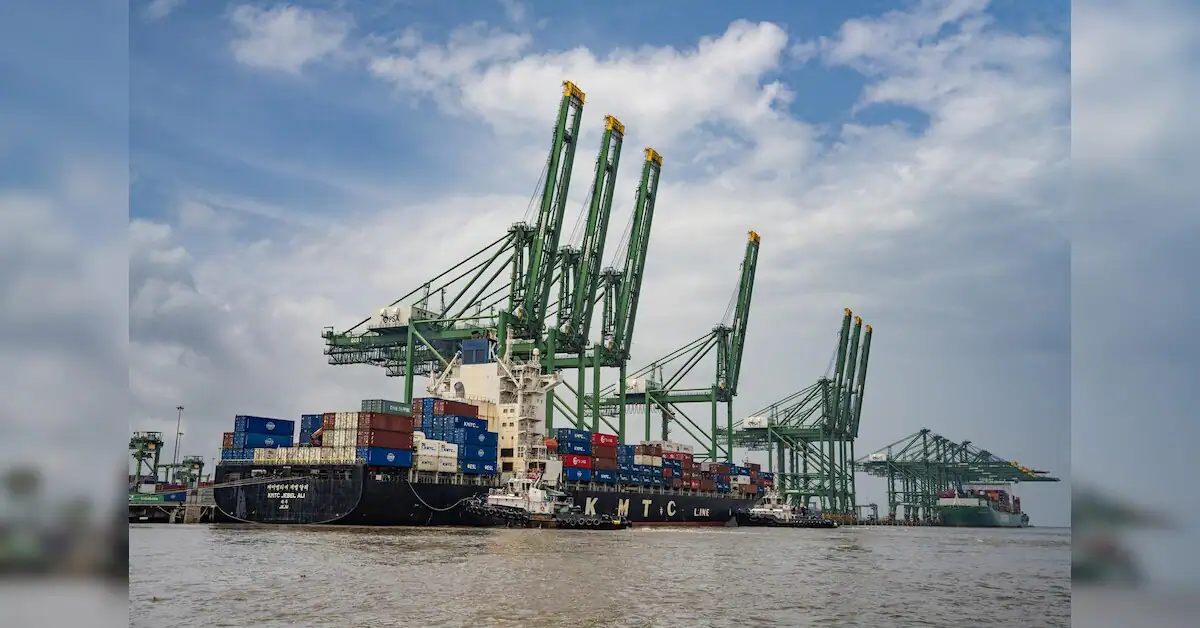
India's trade sector is confronting a structural challenge in maritime logistics, with freight rates remaining elevated due to insufficient cargo volumes to justify regular sailings on key routes. The country's exporters and importers face unpredictable shipping schedules and costlier freight, creating operational headwinds for businesses dependent on reliable sea transport.
The issue reflects a broader imbalance in India's maritime trade patterns. While the country has substantial import and export demand, the distribution of cargo volumes across ports and shipping lanes remains uneven, making it difficult for shipping lines to commit dedicated services that would naturally compress freight costs through competition and capacity availability.
Policymakers have considered subsidies to support shipping companies and reduce logistics costs for traders. However, analysts suggest such interventions may provide only short-term gains. The global shipping industry is undergoing a transition toward advanced technologies, including alternative fuels, digital tracking systems, and vessel automation, requiring substantial capital investment from operators.
Industry observers argue that sustainable solutions require addressing fundamental trade dynamics rather than temporary financial support. Increasing aggregate cargo volumes, improving port infrastructure and efficiency, and encouraging competitive capacity additions remain essential to making Indian routes more attractive to shipping lines and ultimately moderating freight costs for traders across the economy.