World · India Bureau
India's shoot-to-disable operations raise questions on police accountability
As law enforcement agencies increasingly adopt non-lethal shooting tactics against suspects, questions mount over legal safeguards and the normalization of controversial policing practices across India.
LSN India ·
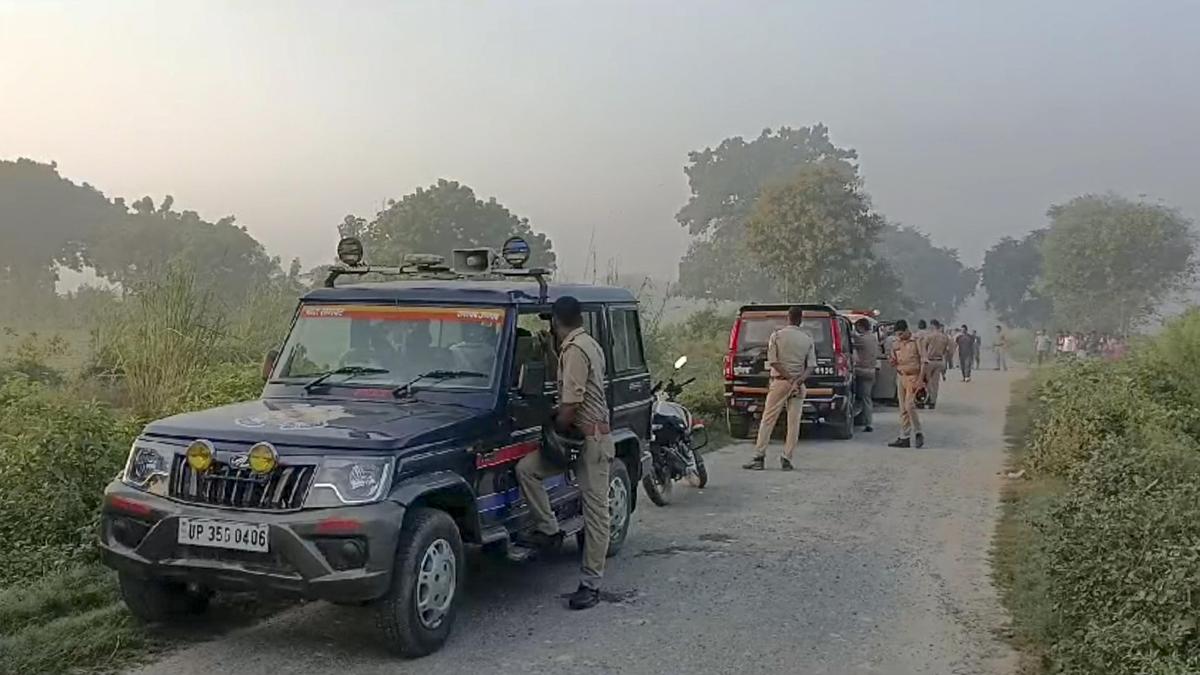
India's police forces have increasingly turned to shoot-to-disable operations as a middle ground between lethal force and conventional arrest procedures. These operations, which target suspects' limbs rather than vital organs, have transitioned from sporadic tactical responses to routine practice in several states, raising concerns among civil rights advocates and legal experts about the sustainability and oversight of such methods.
Proponents argue that disabling shots represent pragmatic policing strategy, reducing fatalities while maintaining officer safety during high-risk apprehensions. Police officials contend the approach is legally defensible under existing use-of-force guidelines, which permit graduated responses to armed suspects. However, critics question whether the practice has effectively received state endorsement without corresponding legislative clarity or mandatory accountability mechanisms.
Legal scholars express concern that piecemeal reforms and operational guidelines alone are insufficient to regulate shoot-to-disable tactics. The absence of comprehensive national protocols, transparent reporting standards, and independent oversight bodies has created a system where individual departments set their own parameters. This fragmented approach risks institutionalizing the practice without establishing uniform standards for when such force is justified or how incidents are investigated.
Civil society organizations have called for Parliament to address the legal ambiguities surrounding non-lethal incapacitation techniques. They argue that while acknowledging operational challenges faced by law enforcement, any widespread adoption of shoot-to-disable methods must be accompanied by robust legislative frameworks, mandatory training standards, and independent civilian review mechanisms to prevent abuse and ensure accountability to the public.