World · India Bureau
India's Siang dam plan faces new pressures amid China's hydropower expansion
India is accelerating development of its Lower Siang hydroelectric project in Arunachal Pradesh as China pursues an ambitious 60 GW dam-building program on the Tibetan plateau. The competing projects highlight growing tensions over transboundary water resources in the eastern Himalayas.
LSN India ·
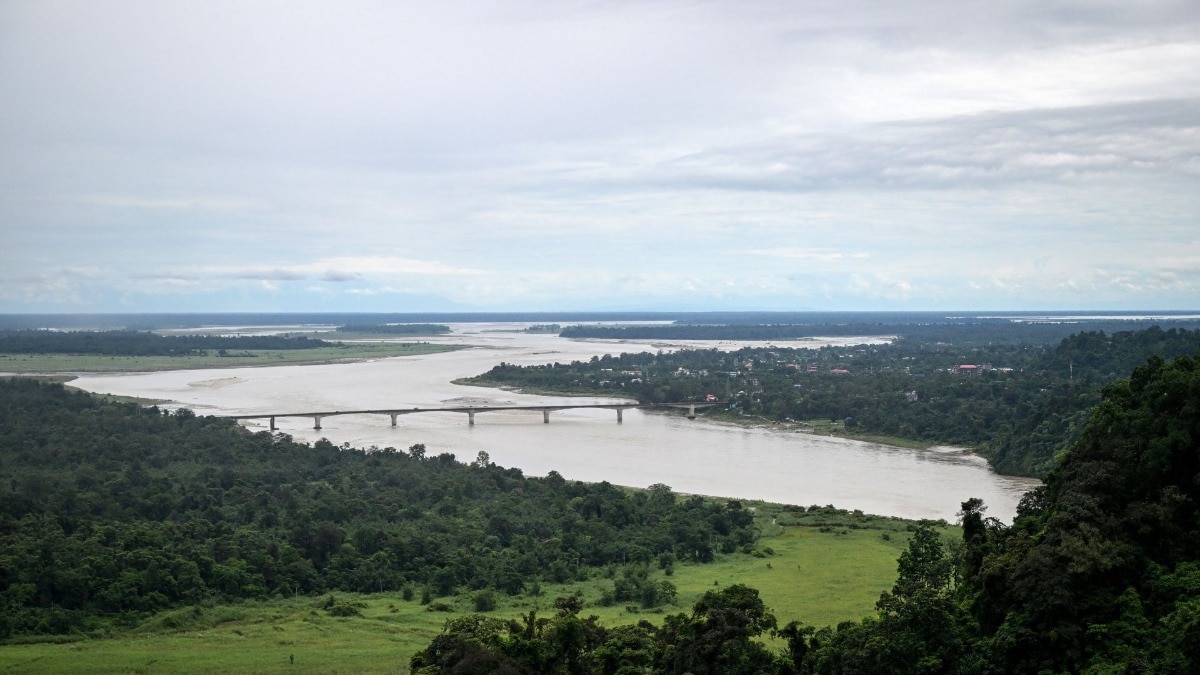
India's Lower Siang project, a 11.4 GW hydroelectric facility planned on the Siang River in Arunachal Pradesh, has taken on added strategic significance as China expands its hydropower infrastructure across Tibet. Beijing's multi-phase development strategy, which includes plans for massive dams generating up to 60 GW of capacity, threatens to reshape water flows across the region and could impact India's water security and power generation capabilities.
The Siang River, one of the major tributaries of the Brahmaputra, originates in Tibet before flowing into Indian territory. India's hydroelectric ambitions along the river are intended to harness renewable energy while maintaining control over water resources vital to the eastern states. The project has faced environmental concerns and clearance delays, but the geopolitical stakes have intensified as China's construction activities accelerate upstream.
China's dam projects on the Tibetan plateau, particularly those on the Brahmaputra and Siang systems, could potentially regulate water flow into India during crucial irrigation and dry seasons. Experts warn that uncoordinated dam construction by upstream nations could lead to ecological damage, altered monsoon patterns, and conflicts over water allocation. The issue underscores the need for bilateral water-sharing agreements and transparent data exchange between India and China.
India has sought to prioritize the Lower Siang project as part of its broader hydropower strategy in the Northeast. Officials argue that Indian dam projects are essential to provide power to remote regions while establishing India's water rights before upstream infrastructure fundamentally alters the river system. The race between the two nations to harness the region's hydroelectric potential reflects deeper concerns about resource control and regional influence along the contested Himalayan frontier.