World · India Bureau
India's southwest monsoon concludes with significant 12% rainfall deficit
India's southwest monsoon season ended with rainfall 12% below normal levels, marking the weakest performance since 2015. The eastern and northeastern regions experienced their driest monsoon in 122 years, while the southern peninsula recorded its fourth-lowest rainfall since records began in 1901.
LSN India ·
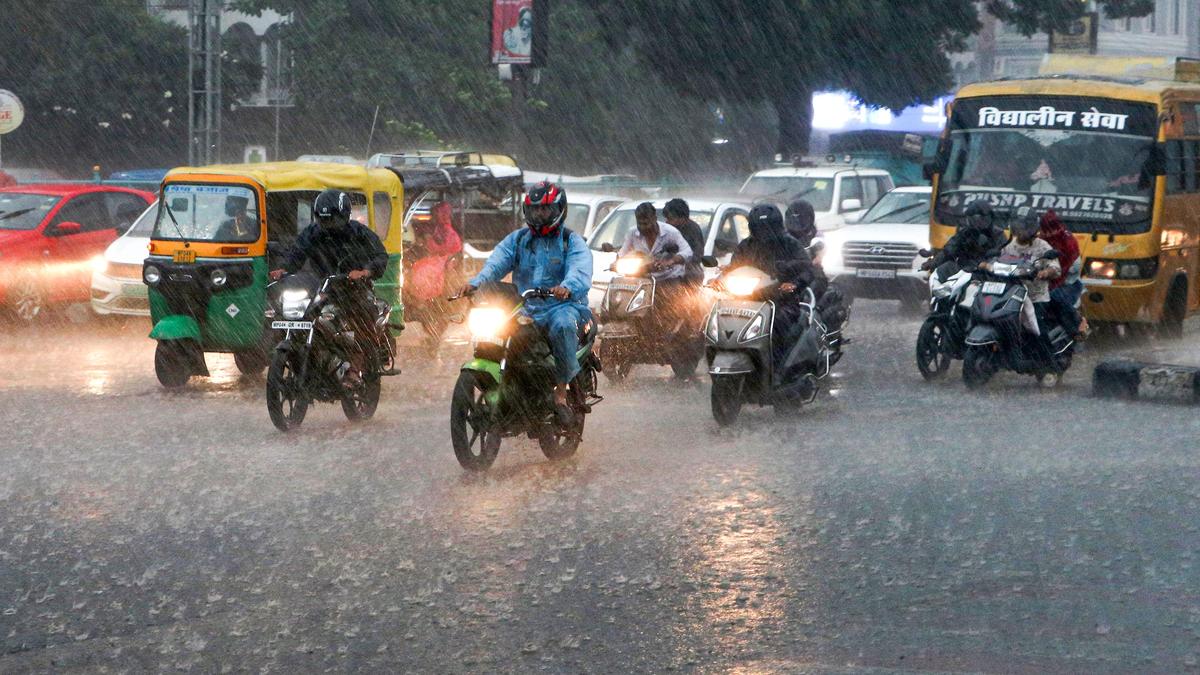
India's southwest monsoon, which concluded in September, delivered significantly below-normal precipitation across much of the country, intensifying concerns about agricultural output and water availability heading into the final quarter of the year.
The seasonal rainfall deficit of 12% represents the lowest performance since 2015, according to meteorological data. The eastern and northeastern regions bore the brunt of the shortfall, experiencing their driest monsoon since 1901—a span of 122 years. The southern peninsula, while historically more resilient, recorded its fourth-lowest rainfall since the start of systematic record-keeping in 1901.
The weak monsoon follows a broader pattern of erratic rainfall in recent years, underscoring the impact of changing climate patterns on India's agricultural calendar. Farmers across rain-dependent regions face immediate challenges to crop yields, particularly for monsoon-sown crops that depend on consistent seasonal precipitation.
Looking ahead, the India Meteorological Department forecasts October will bring predominantly hotter and drier conditions across most of the country. The combination of the weak monsoon and anticipated dry weather in the coming weeks is likely to compound concerns about the kharif harvest and raise questions about irrigation demands during the upcoming rabi season.