Politics · India Bureau
India's state oil firms post ₹30,106 crore Q2 profit on refining gains
Indian Oil Corporation, Bharat Petroleum and Hindustan Petroleum collectively earned nearly 39 per cent of their annual profit target in the July-September quarter, driven by strong refining margins and inventory gains despite frozen fuel prices.
LSN India ·
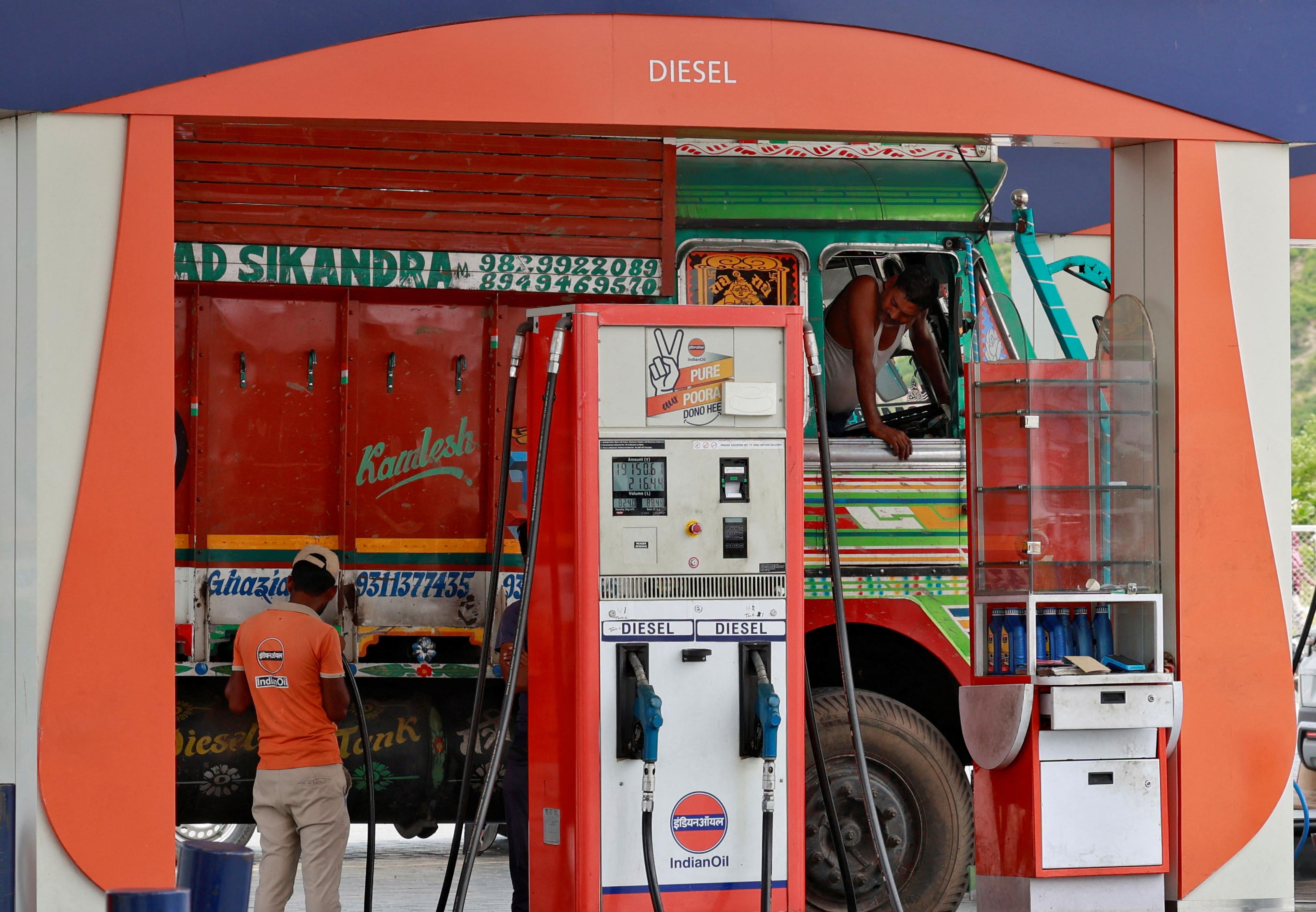
India's three major state-owned petroleum retailers reported a combined standalone net profit of ₹30,106 crore for the second quarter of the financial year, marking a significant turnaround from their performance in the preceding months. The strong earnings came from Indian Oil Corporation (IOC), Bharat Petroleum Corporation Ltd (BPCL) and Hindustan Petroleum Corporation Ltd (HPCL), which together achieved 68.3 per cent higher profits compared to the same quarter last year.
The quarterly result represents a dramatic reversal from April-June, when the three companies posted a combined loss of approximately ₹18,150 crore. The July-September quarter alone accounts for roughly 39 per cent of their combined profit target of ₹77,281 crore for the full 2025-26 financial year, according to company filings reviewed by LSN News.
The profit surge was primarily driven by improved refining margins and inventory gains, which offset persistent challenges facing the retailers. Despite elevated global crude prices and benchmark rates, domestic petrol and diesel prices have remained frozen since May, while liquefied petroleum gas rates have been static since March. These price caps have continued to weigh on fuel sales profitability, compounded by the growing burden of unpaid LPG subsidies.
The earnings underline the complex operating environment for India's fuel retailers, who balance commercial profitability with government policy objectives of keeping energy affordable for consumers. The substantial second-quarter performance suggests the companies have benefited from operational efficiency and favourable market conditions in refining operations, partially compensating for margin compression on retail fuel sales.