World · India Bureau
India's stricter BS-VII emission rules to reshape vehicle standards
India's draft BS-VII vehicle emission standards will introduce on-road testing and new pollution checks for brakes and tyres, marking a significant tightening of regulations. The phased rollout begins with passenger cars in April 2029.
LSN India ·
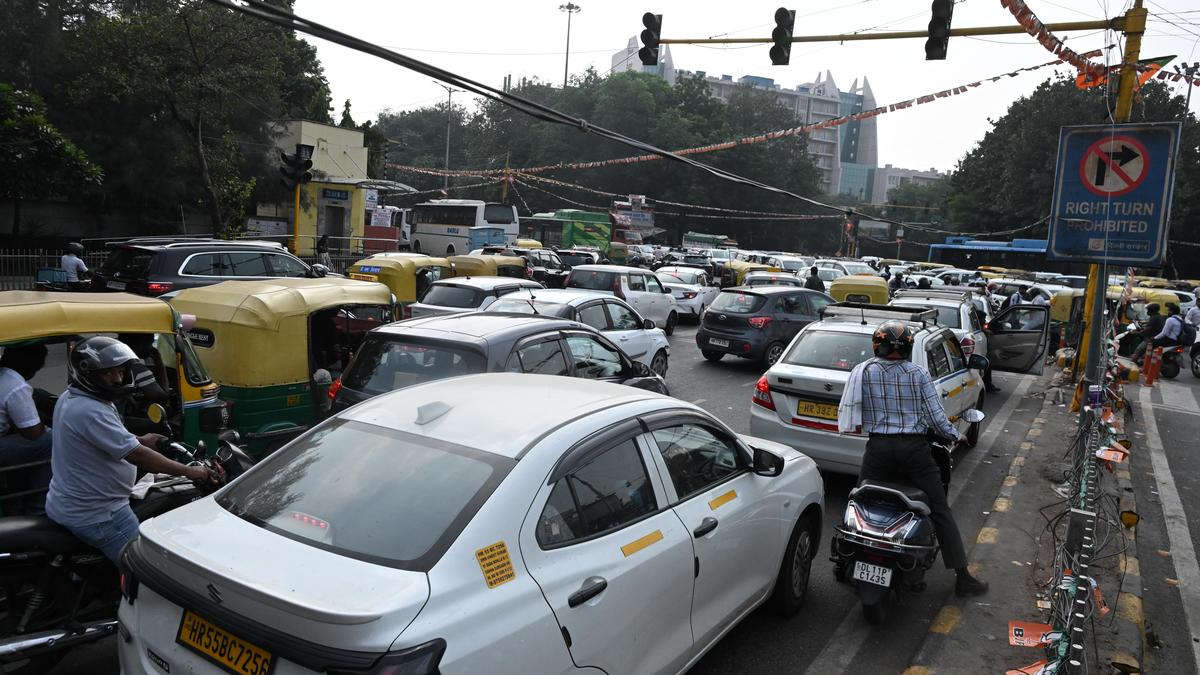
India is preparing to implement its most stringent vehicle emission standards yet through the proposed BS-VII rules, which represent a substantial shift in how the country regulates automotive pollution. The draft standards move beyond traditional tailpipe testing to encompass a broader range of emission sources that contribute to air quality degradation across Indian cities.
Under the new framework, manufacturers will face mandatory on-road emissions testing, a departure from laboratory-controlled conditions that have governed previous standards. This real-world testing approach is designed to capture actual pollution levels experienced by drivers and pedestrians rather than theoretical outputs measured in controlled environments.
Beyond engine emissions, the BS-VII standards introduce unprecedented regulatory attention to brake and tyre wear particles, which constitute a significant proportion of vehicle-related air pollutants but have historically escaped stringent oversight. These particulates contribute materially to India's ambient air quality challenges, particularly in metropolitan regions already struggling with poor air quality indices.
The implementation will follow a phased approach, with passenger cars designated as the first vehicle category subject to the new requirements from April 2029. This timeline allows manufacturers to recalibrate production processes and technology integration while the automotive industry adjusts to the more demanding compliance landscape.
The BS-VII standards align India's regulatory framework with global best practices adopted by developed economies, positioning the country's environmental standards among the world's most comprehensive. Industry stakeholders are expected to face significant capital investments in emission control technologies and testing infrastructure to meet the April 2029 deadline.