World · India Bureau
India's stricter BS7 emissions rules set to transform two-wheeler market
India is preparing to transition from current BS6 emissions standards to stricter BS7 norms from 2027, introducing real-time pollution monitoring for two-wheelers and forcing manufacturers to redesign engines to meet tighter controls.
LSN India ·
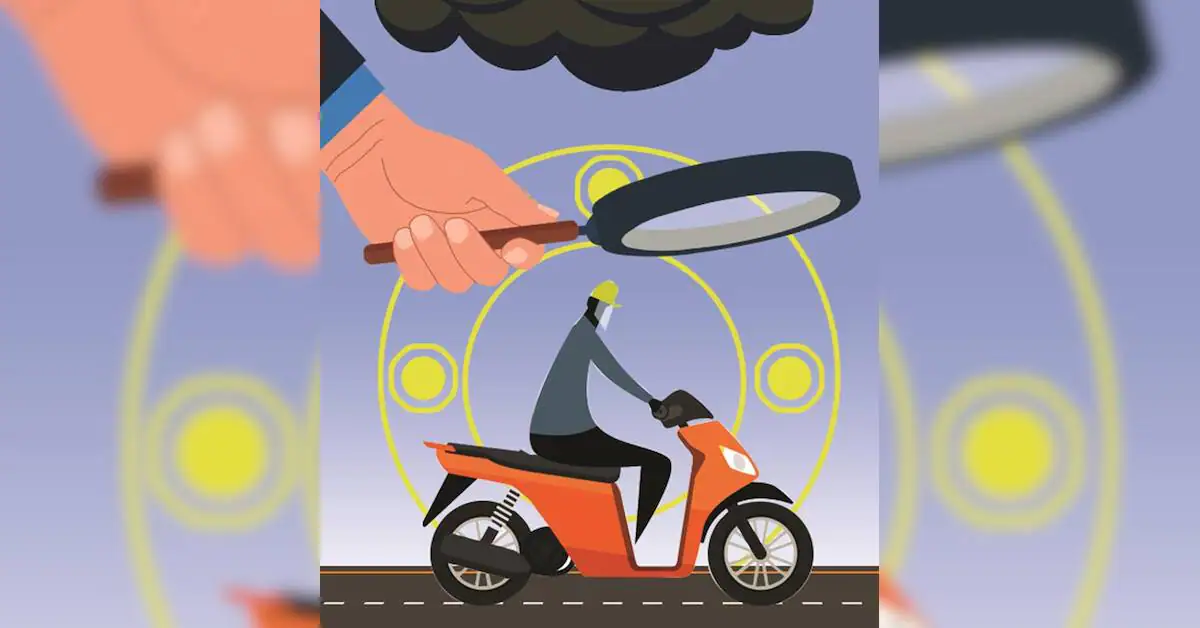
India's automotive sector faces a significant regulatory shift as the country prepares to implement BS7 emissions standards beginning 2027, replacing the current BS6 framework that has been in effect. The new regime will introduce substantially tighter pollution control measures and mandate real-time monitoring capabilities for two-wheelers, fundamentally altering how manufacturers approach engine design and emissions management.
The transition to BS7 is expected to pose considerable technical challenges for two-wheeler manufacturers, potentially forcing vehicles into reduced performance modes when emission thresholds are breached. Industry observers suggest this approach mirrors real-world driving scenarios where vehicles automatically limit power output to remain compliant with environmental standards, a mechanism commonly referred to as a 'limp-home mode' in automotive terminology.
Two-wheeler manufacturers will need to invest significantly in advanced emissions control technologies and on-board diagnostic systems to meet the new requirements. The real-time monitoring mandate will require vehicles to continuously track and report emissions data, representing a substantial shift from the current compliance testing framework.
The move reflects India's broader commitment to reducing air pollution and meeting international environmental standards. State and central government authorities are expected to provide industry guidance on implementation timelines and compliance pathways in the coming months as manufacturers prepare for the transition period.