Business · India Bureau
India's sunflower oil duty cut stirs geopolitical tensions with Russia, US
New Delhi's decision to reduce import duties on sunflower oil reflects deepening reliance on foreign supplies, potentially complicating India's diplomatic balancing act between Moscow and Washington.
LSN India ·
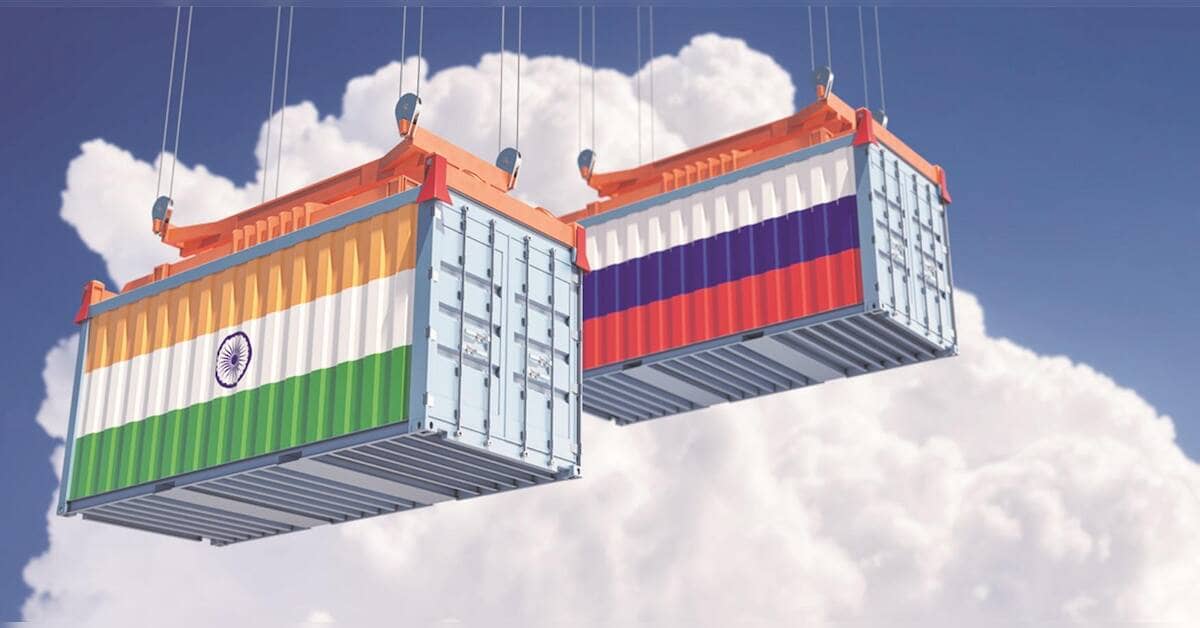
India's move to lower import duties on sunflower oil underscores the country's growing vulnerability to external supply disruptions in the edible oils sector, a concern with significant geopolitical ramifications.
The tariff reduction addresses immediate domestic pressures from rising cooking oil prices, but the decision carries broader strategic implications. Russia, a major global supplier of sunflower oil, has seen its market position in India shift following Western sanctions tied to the Ukraine conflict. Simultaneously, India's historical preference for Russian oil imports now competes with supply considerations and diplomatic considerations tied to Western relationships.
The edible oil import dependency reflects structural challenges in India's agricultural output. Domestic production of sunflower oil remains insufficient to meet demand, forcing New Delhi to rely heavily on overseas suppliers. This vulnerability creates a delicate policy environment where tariff decisions inevitably resonate across geopolitical lines.
For Indian policymakers, the tariff adjustment represents a pragmatic economic response to inflation concerns. However, it also demonstrates how routine trade decisions increasingly intersect with India's broader positioning amid US-Russia tensions. The move signals New Delhi's prioritisation of domestic price stability over any implicit alignment, though the choice of which suppliers benefit from lower duties remains a consequential political calculation.
As India's import dependence in edible oils persists, similar trade decisions will likely continue triggering scrutiny from both Moscow and Washington, each viewing India's procurement patterns through a strategic lens.