Business · India Bureau
India's tax system modernised since 1991, but key reforms remain pending
Three decades of economic liberalisation have transformed India's taxation framework, yet policymakers face persistent challenges in streamlining GST, resolving long-standing disputes and enhancing service delivery to taxpayers.
LSN India ·
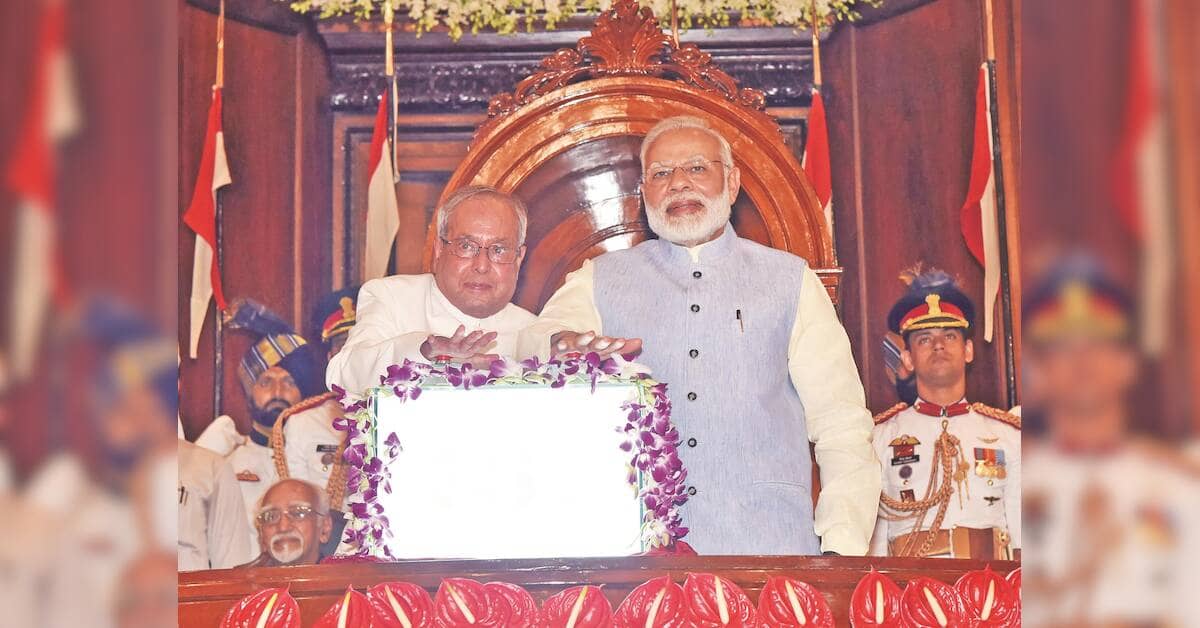
India's journey toward tax system modernisation has accelerated significantly since the 1991 economic reforms, marking substantial progress in compliance infrastructure and revenue administration. The introduction of the Goods and Services Tax in 2017 represented a landmark shift towards unified indirect taxation, replacing a complex web of state and central levies that had fragmented the Indian market.
Despite these advances, the tax administration continues grappling with unfinished business. The GST regime, while conceptually sound, requires further simplification to reduce compliance burden on businesses and enhance operational clarity. Persistent tax disputes between assessees and authorities have accumulated over decades, creating uncertainty and straining resources across both sectors.
Improving taxpayer services remains another critical frontier. Digital infrastructure has expanded, yet many aspects of tax administration still operate through legacy systems that lack integration. The Revenue Department has undertaken digitisation initiatives, but observers note that seamless, user-centric service delivery platforms remain aspirational rather than realised.
Experts emphasise that realising the full potential of India's tax system requires sustained commitment to simplification, faster dispute resolution mechanisms, and citizen-centric digital transformation. The next phase of reform should prioritise clearing the backlog of contested assessments while modernising the technological backbone supporting tax administration.