Technology · India Bureau
India's telecom regulator eyes licensing framework for smart TV streaming services
India's communications watchdog is considering new regulatory rules for free ad-supported streaming channels that come pre-installed on smart televisions. The move could reshape how manufacturers distribute content through built-in apps on connected devices.
LSN India ·
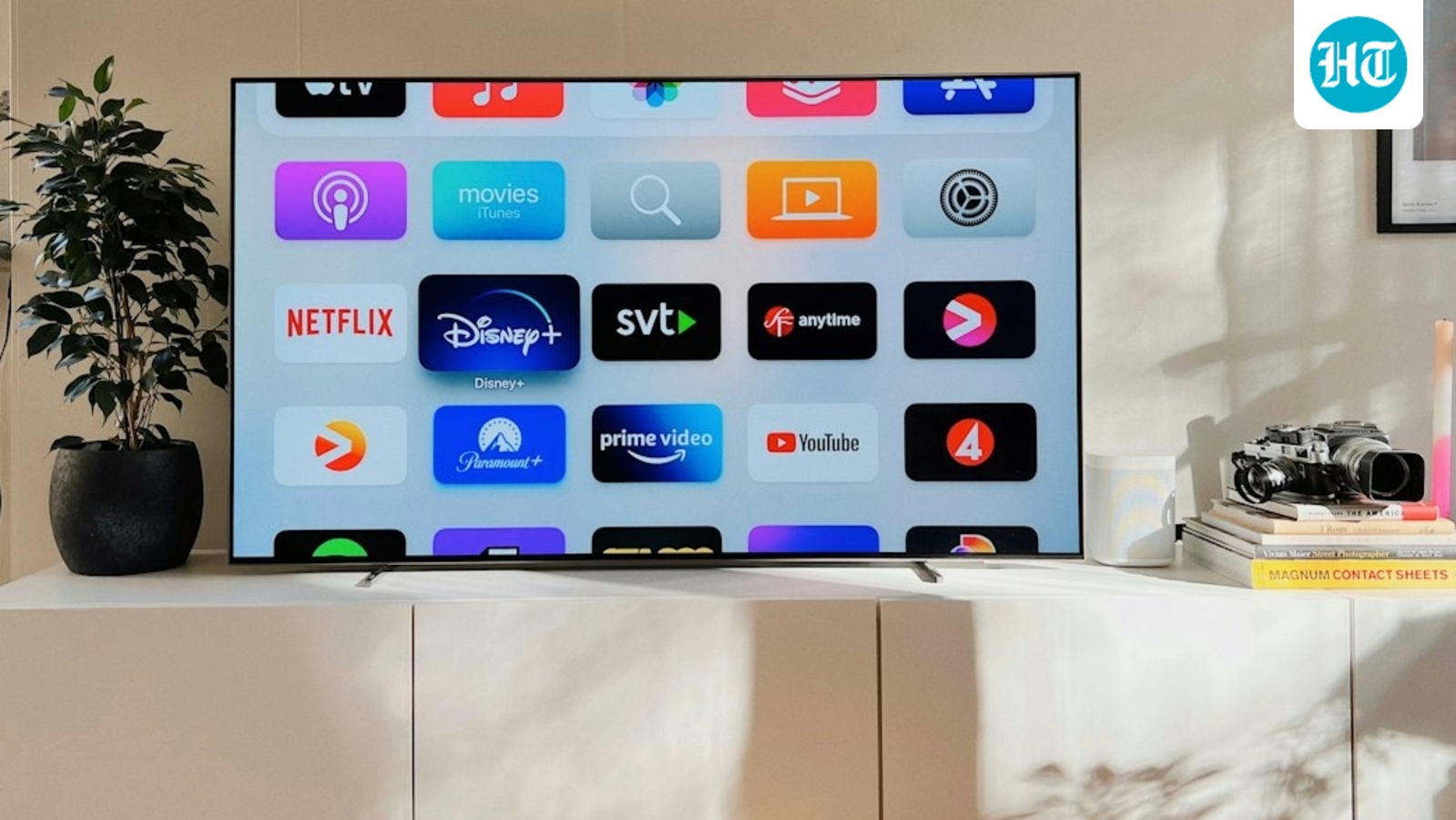
India's telecom regulator is working on a licensing and regulatory framework for free internet-based television services delivered through smart TV applications, according to industry sources. The proposed rules would govern streaming channels that manufacturers like Samsung and LG currently bundle with their devices, offering live-style programming interrupted by advertisements.
Many smart TV manufacturers have launched proprietary streaming platforms in recent years, capitalizing on the growing adoption of connected devices across Indian households. Services such as Samsung TV Plus and LG Channels allow users to access curated linear channels without subscription fees, generating revenue through advertising placements between content segments.
The regulatory proposal comes as authorities seek to establish clearer guidelines for digital content distribution in the rapidly evolving streaming ecosystem. Officials are examining whether existing broadcast rules should apply to these services or if a separate licensing regime is necessary for internet-delivered television content on smart platforms.
The framework could impact how manufacturers operate their bundled streaming services and may require them to obtain formal approvals before launching new channels. Industry observers note the rules aim to balance consumer access to free content with ensuring compliance and content standards across the broadcasting sector.
The proposed regulations mark the latest effort by India's communications authority to adapt oversight frameworks to technological changes in how viewers consume television content, particularly as traditional broadcast models converge with digital streaming services.