Technology · India Bureau
India's telecom regulator pushes for satellite-enabled smartphones
India's telecommunications authority has proposed mandatory satellite frequency band support in future smartphones, potentially enabling direct messaging and emergency services when terrestrial networks are unavailable. The move could transform connectivity for users across remote and disaster-affected regions.
LSN India ·
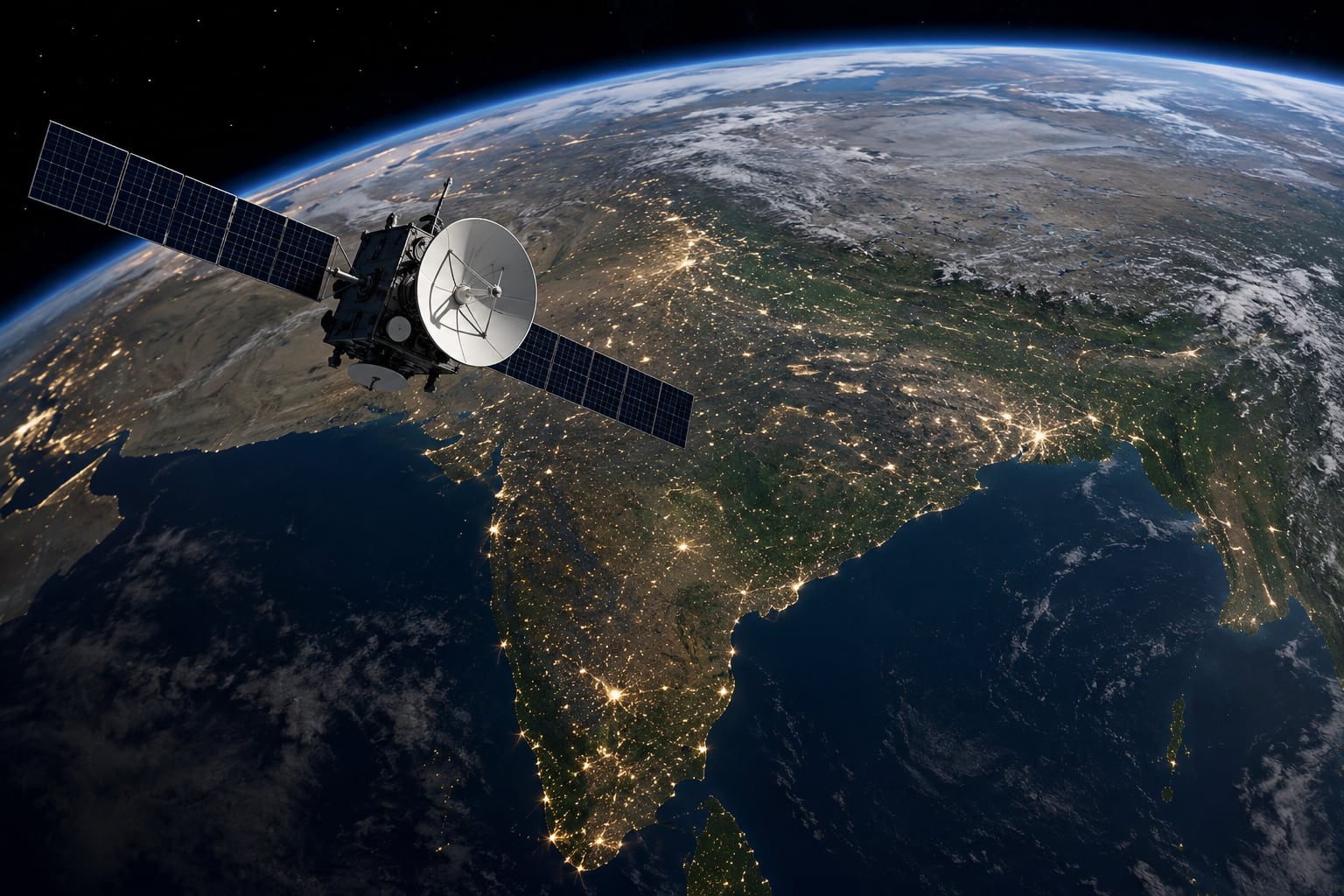
The Telecom Regulatory Authority of India (TRAI) has recommended that smartphone manufacturers incorporate satellite frequency bands into their devices, marking a significant shift in India's approach to mobile connectivity infrastructure. The proposal aims to equip future handsets with the technological capability to connect directly to satellite networks, bypassing conventional cellular tower systems.
Under TRAI's framework, satellite-enabled smartphones would support emergency SOS functionality and satellite messaging services, providing critical communication options in areas where ground-based cellular networks remain unavailable or non-functional. This capability would prove particularly valuable in India's remote regions, mountainous terrain, and during natural disasters when traditional telecom infrastructure becomes compromised.
The regulatory push reflects growing global momentum toward satellite connectivity integration, with several major technology manufacturers already developing such capabilities. TRAI's proposal seeks to establish standardized support for satellite frequency bands across the Indian smartphone market, ensuring interoperability and widespread access to these emergency services.
The initiative requires coordination between device manufacturers, satellite service operators, and existing telecom providers to establish operational protocols and spectrum allocation. Industry stakeholders are expected to provide feedback on the implementation timeline and technical specifications needed to make satellite-enabled smartphones widely available to Indian consumers.