Politics · India Bureau
India's top court declines urgent hearing on Central Park closure protest
The Supreme Court of India has refused to grant an urgent hearing on a petition challenging the New Delhi Municipal Council's decision to shut Central Park at Connaught Place ahead of a planned protest. The court expressed hope that "better sense will prevail" among all stakeholders, citing concerns over the hardship faced by street vendors and small shopkeepers.
LSN India ·
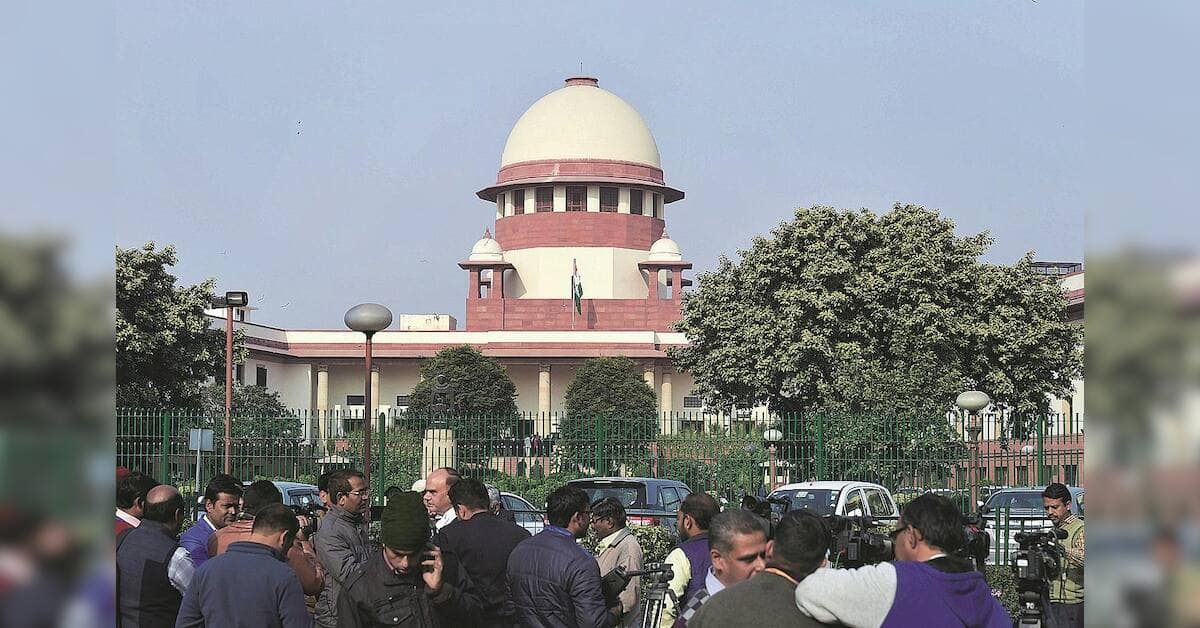
A bench led by Chief Justice of India Surya Kant and Justice Joymalya Bagchi declined to entertain the plea against the NDMC order on Friday, with the court noting the interconnected nature of the issues at stake. Justice Bagchi observed that the matter involved competing interests—including the constitutional right to protest, the livelihoods of vendors seeking to sell goods, and public order concerns—that were inextricably linked.
"We know the hardship and difficulty entire families will face," Chief Justice Kant remarked, acknowledging the plight of small traders who depend on high footfall during peak commercial periods. The bench indicated that small shopkeepers earn substantial income during such periods, making the closure economically significant for vulnerable sections of the population.
Justice Bagchi articulated the court's position on the overlapping nature of the dispute, stating: "Someone wants to protest, someone wants to sell goods, someone wants law and order. All these are related." The remarks underscored the judicial approach to balancing fundamental rights with public administration concerns.
The court suggested it could invoke its constitutional jurisdiction if the situation resulted in demonstrable business losses. The bench's reluctance to intervene at the urgent stage reflects the court's view that administrative and civic authorities should address the matter through dialogue among concerned parties before judicial intervention becomes necessary.