Politics · India Bureau
India's top court rejects plea to end execution by hanging
The Supreme Court of India has dismissed a petition seeking to abolish hanging as a method of capital punishment. The plea had proposed alternative execution methods deemed less painful.
LSN India ·
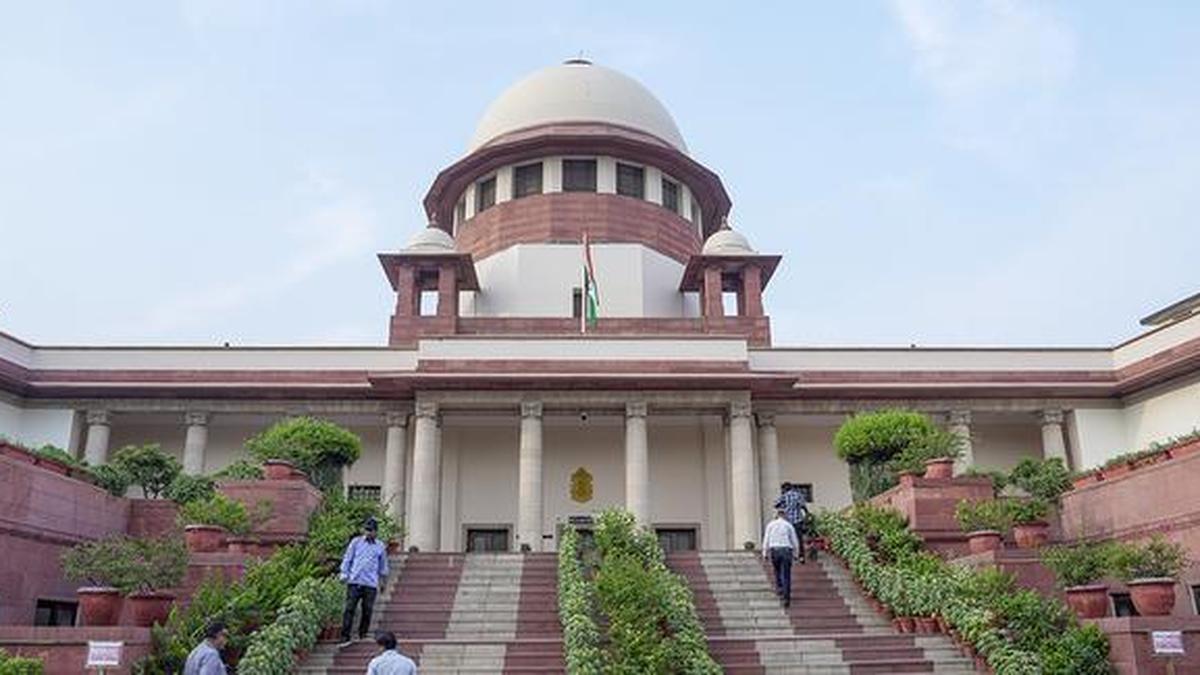
India's apex court has rejected a petition challenging the constitutional validity of execution by hanging, dismissing arguments that the practice constitutes cruel and unusual punishment. The petition had urged the court to prohibit hanging and introduce alternative methods of capital punishment that proponents claimed would cause less suffering to death row inmates.
Among the alternatives proposed in the petition were intravenous lethal injection, shooting, electrocution, and gas chambers. The petitioner had contended that hanging causes unnecessary pain and suffering, raising questions about its compliance with constitutional protections against cruel punishment.
The Supreme Court's dismissal of the plea means hanging remains the sole legal method of executing death sentences in India. Capital punishment continues to be permitted under Indian law for crimes such as murder and terrorism-related offences, though executions are relatively rare and require passage through multiple layers of appellate review.
The decision reflects the judiciary's reluctance to substantially alter India's established capital punishment framework, despite periodic legal challenges questioning its compatibility with modern standards of human rights and criminal justice.