Politics · India Bureau
India's trade deficit with China surges past $100 billion mark
Bilateral trade between India and China has expanded significantly in 2026, with India's import bill from its largest trading partner climbing sharply. The widening trade imbalance underscores India's continued reliance on Chinese goods across manufacturing and consumer sectors.
LSN India ·
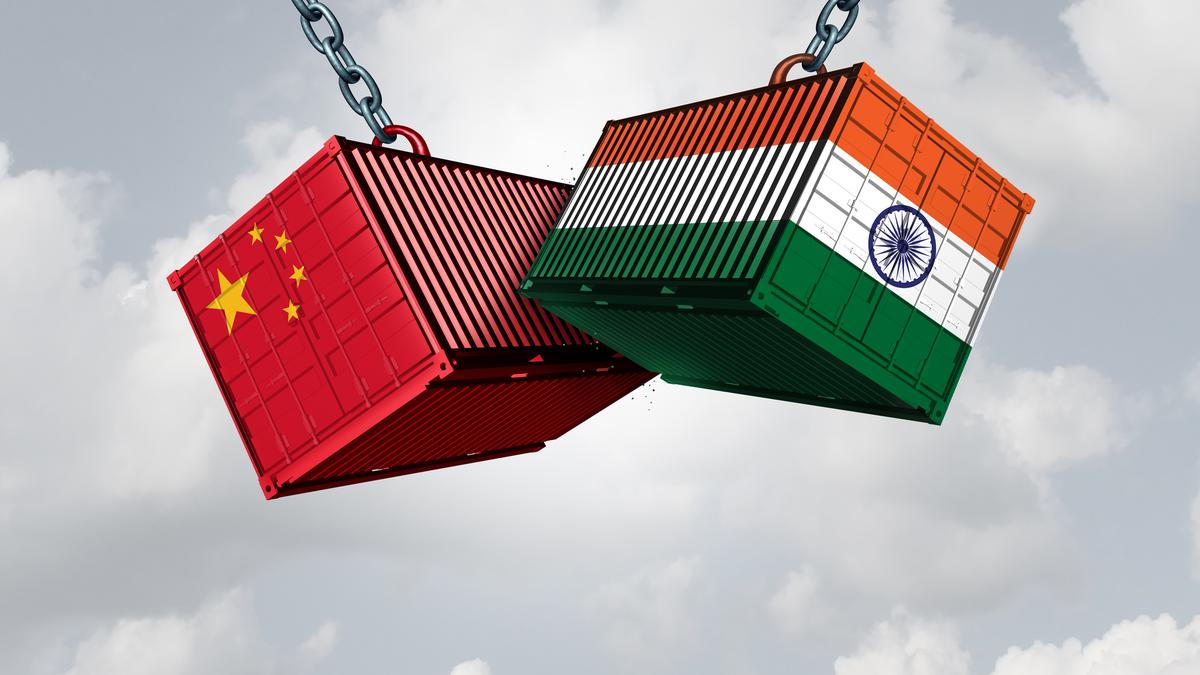
India's merchandise trade deficit with China has crossed the $100 billion threshold in 2026, reflecting a substantial surge in New Delhi's import dependence on Beijing. During the first nine months of the year, two-way commerce between the two Asian giants reached $144.45 billion, representing a robust 25.4% increase compared to the same period in the previous year.
The expansion was driven primarily by a sharp rise in Indian imports from China, which climbed 23.3% to $125.19 billion during the January-September period. This growth trajectory suggests the full-year trade deficit could substantially exceed $100 billion, marking a significant widening from previous years and intensifying scrutiny on India's trade relationship with its northern neighbor.
The persistent trade imbalance reflects India's heavy reliance on Chinese imports across multiple sectors, including electronics, chemicals, pharmaceuticals, and machinery. Despite government efforts to promote domestic manufacturing and reduce import dependence through initiatives like Make in India, Indian businesses continue to source heavily from China due to cost competitiveness and established supply chains.
Industry analysts point to the structural nature of the bilateral trade relationship, where China's manufacturing capabilities and lower production costs continue to attract Indian importers. As India seeks to diversify its supply chains and bolster domestic production, the widening deficit remains a persistent challenge for policymakers concerned about the country's external account sustainability and manufacturing competitiveness.