Sport · Singapore Bureau
India's 'unique idea' to combat athlete isolation at Asian Games
Organisers of the 2026 Asian Games in Japan are exploring innovative solutions to maintain athlete morale despite forgoing a traditional athletes' village. The decision to eliminate the centralised accommodation aims to reduce costs for the Nagoya and Aichi hosts.
LSN Singapore ·
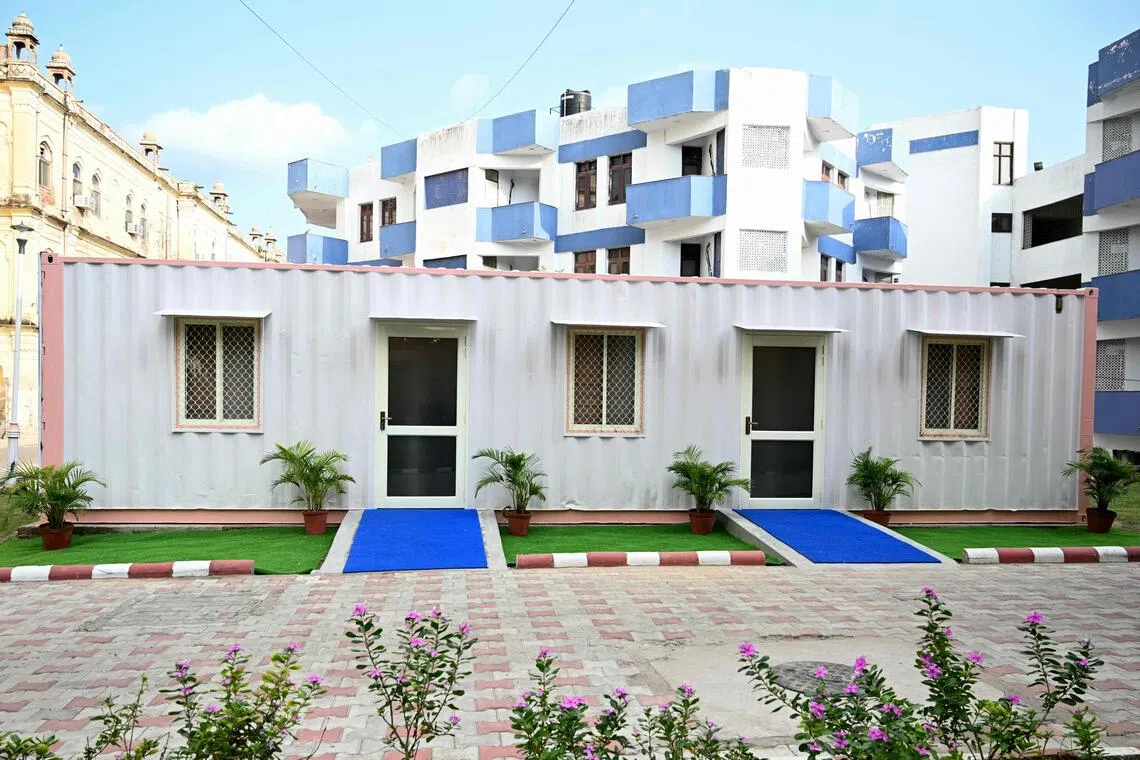
The Nagoya-Aichi Asian Games Organising Committee has signalled its intention to implement creative measures to address potential isolation concerns among competitors, even as it proceeds without a dedicated athletes' village—a feature traditionally central to major multi-sport events.
By eliminating the athletes' village, organisers hope to achieve substantial cost savings while staging the 2026 Games across the two regions. However, officials acknowledge that dispersed accommodation could create feelings of detachment among the thousands of athletes competing across various venues.
Instead of the conventional model where athletes reside in one location, the committee plans to explore alternative arrangements designed to foster community and engagement. While specific details of these measures remain under development, the organisers have framed their approach as a "unique idea" that balances financial prudence with athlete welfare.
The decision represents a significant departure from standard Asian Games operations, where centralised villages have long served as focal points for cultural exchange, camaraderie and logistical coordination. Japanese officials are working to demonstrate that effective alternatives can maintain the spirit of international sporting competition without the substantial infrastructure investment required for traditional athletes' villages.