Politics · India Bureau
India's vehicle pollution crisis persists despite stricter emission standards
Despite government push for electric vehicles and enhanced pollution under control norms, hazardous emissions from conventional vehicles continue to threaten public health across India. Pollutants including carbon monoxide, nitrogen oxides and particulate matter remain a persistent environmental challenge.
LSN India ·
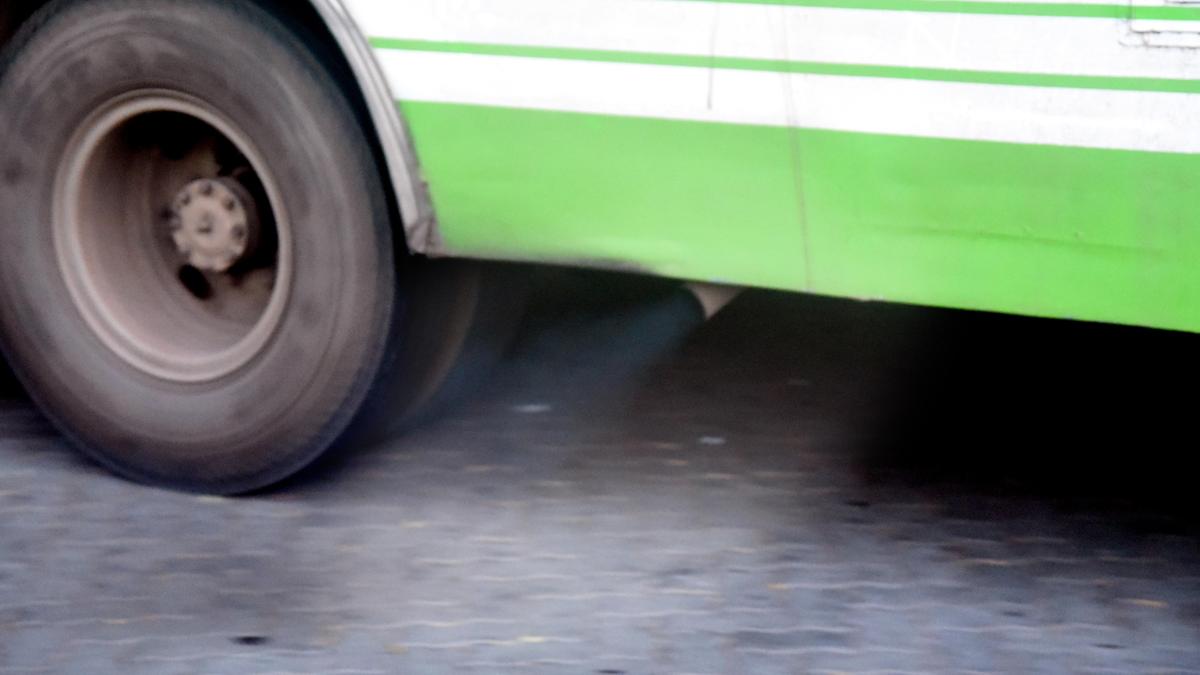
India's efforts to curb vehicular pollution have failed to achieve meaningful results on the ground, with polluting vehicles continuing to operate with minimal oversight despite tightened Pollution Under Control (PUC) certification requirements. The issue persists despite coordinated initiatives by both state and central governments aimed at reducing harmful emissions that pose significant risks to respiratory and cardiovascular health.
Hazardous pollutants including carbon monoxide, nitrogen oxides and fine particulate matter—classified as dangerous air contaminants—continue to accumulate in India's urban and semi-urban environments. The health implications are substantial, with prolonged exposure linked to chronic respiratory conditions, asthma exacerbation and cardiovascular complications across vulnerable populations.
Both the Union government and state authorities have rolled out incentive-based schemes to encourage vehicle owners to transition toward electric vehicles, including attractive financing options and purchase subsidies. However, these initiatives have proven insufficient in accelerating the retirement of older, high-emission vehicles from Indian roads.
The enforcement gap remains a critical concern, with many vehicles circumventing stricter PUC standards or operating with expired certifications. Experts point to inconsistent implementation and limited monitoring infrastructure as key barriers to translating regulatory frameworks into measurable emissions reductions across the country.