Business · Singapore Bureau
India's voter roll cleanup creates bureaucratic maze for millions
India's efforts to purge its electoral registers of duplicate and ineligible entries have left countless citizens struggling to maintain their voting rights. The drive, intended to ensure election integrity in the world's most populous democracy, has instead created a labyrinthine process that disenfranchises legitimate voters.
LSN Singapore ·
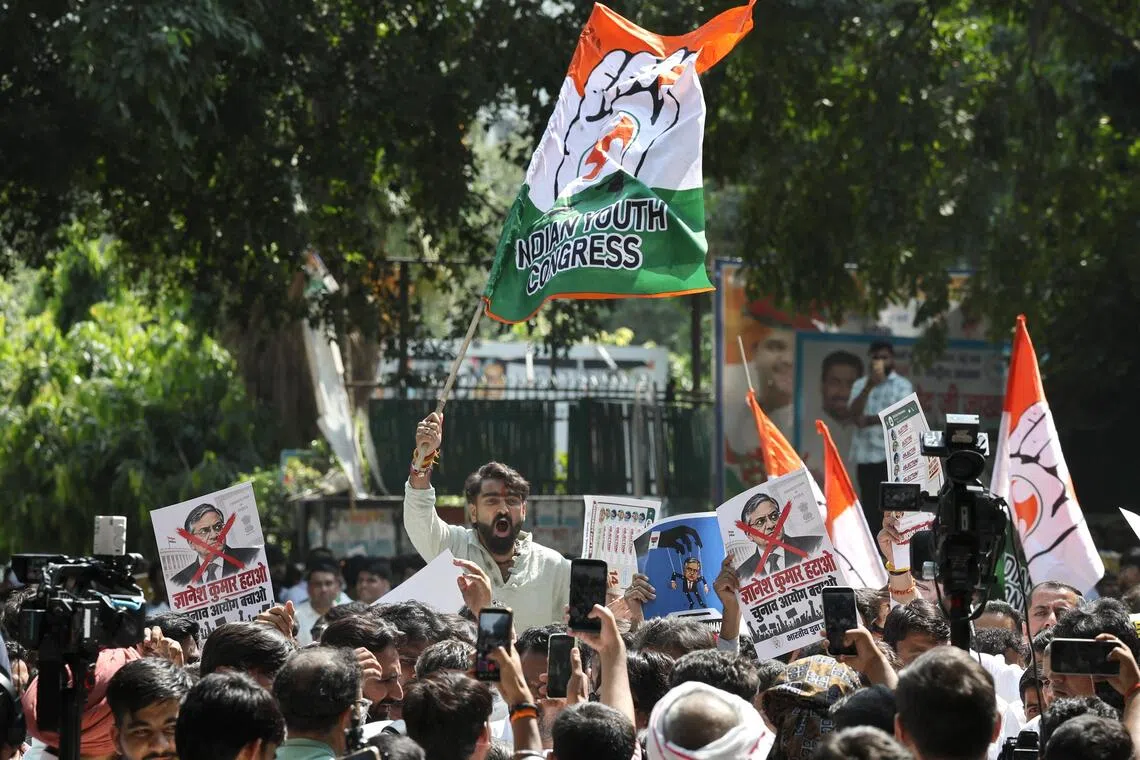
India's Election Commission has undertaken an ambitious initiative to clean up voter rolls that now span over 900 million registered electors. The process, designed to remove duplicate registrations, deceased voters, and ineligible entries, has become a source of frustration for citizens across the country who find themselves caught in administrative delays and unclear procedures.
Thousands of eligible voters have reported being struck from electoral registers without clear notification or opportunity to appeal. The removal process often lacks transparency, with citizens discovering their names missing only when attempting to vote. Many face lengthy procedures to restore their registration, requiring multiple visits to election offices and submission of various identity documents.
The challenge is particularly acute in densely populated urban areas and states where administrative capacity remains limited. Citizens report confusion about the criteria used to identify duplicate or ineligible registrations, and many struggle to navigate the appeals process. Election officials acknowledge the scale of the task but defend the initiative as necessary to maintain electoral integrity.
Civil society organisations have raised concerns that the cleanup drive, while well-intentioned, risks excluding legitimate voters due to administrative failures rather than genuine ineligibility. They have called for greater transparency in the process and more robust appeal mechanisms. As India prepares for its next general elections, the controversy highlights the tension between electoral cleanliness and inclusive democratic participation in the world's largest democracy.