Politics · Singapore Bureau
India's Voter Verification Drive Draws Scrutiny Over Electoral Integrity
India's election commission faces mounting criticism over its mass voter eligibility verification programme, with opposition parties claiming the process threatens to disenfranchise millions through alleged manipulation of electoral rolls.
LSN Singapore ·
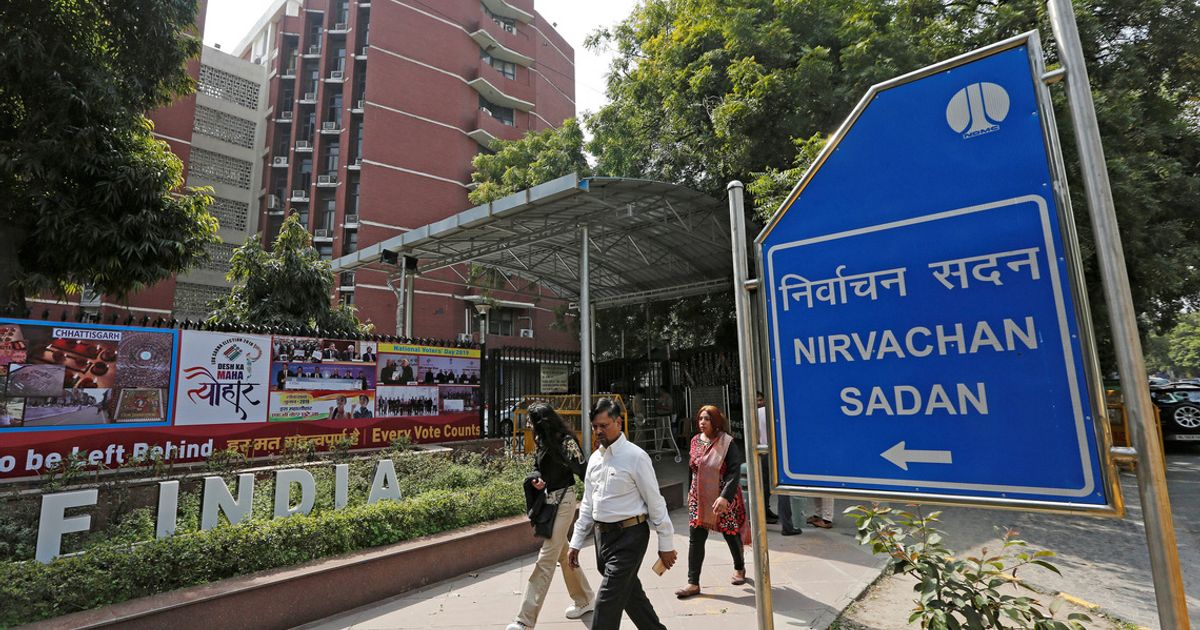
NEW DELHI — India's ambitious effort to verify the eligibility of approximately one billion registered voters has triggered a firestorm of political controversy, placing the country's election authority under intense public and legislative pressure. The verification drive, intended to ensure the integrity of electoral rolls, has instead become a flashpoint for concerns about democratic participation and procedural fairness.
Opposition parties have levelled serious allegations against the election commission, contending that the verification process could result in systematic exclusion of eligible voters from the electoral register. Critics argue that the methodology employed lacks sufficient transparency and may disproportionately affect vulnerable populations, potentially skewing voter rolls ahead of forthcoming elections.
The controversy underscores longstanding tensions in India's electoral management. While election officials maintain the verification initiative is necessary to maintain accurate voter databases and prevent duplicate registrations, opponents warn that hasty implementation risks undermining democratic principles. The scale of the undertaking—encompassing over a billion citizens—compounds the challenge of ensuring both accuracy and fairness across India's diverse regions and demographics.
The dispute highlights the delicate balance electoral authorities must strike between administrative efficiency and electoral accessibility. As the debate intensifies, questions persist about the verification criteria, the appeals process for disputed registrations, and whether adequate safeguards exist to protect voting rights.