Politics · Singapore Bureau
India's voter verification drive sparks electoral integrity debate
India's Election Commission faces mounting criticism over its ambitious plan to verify roughly one billion voters, with opposition parties claiming the exercise risks manipulating voter rolls and excluding millions of eligible citizens.
LSN Singapore ·
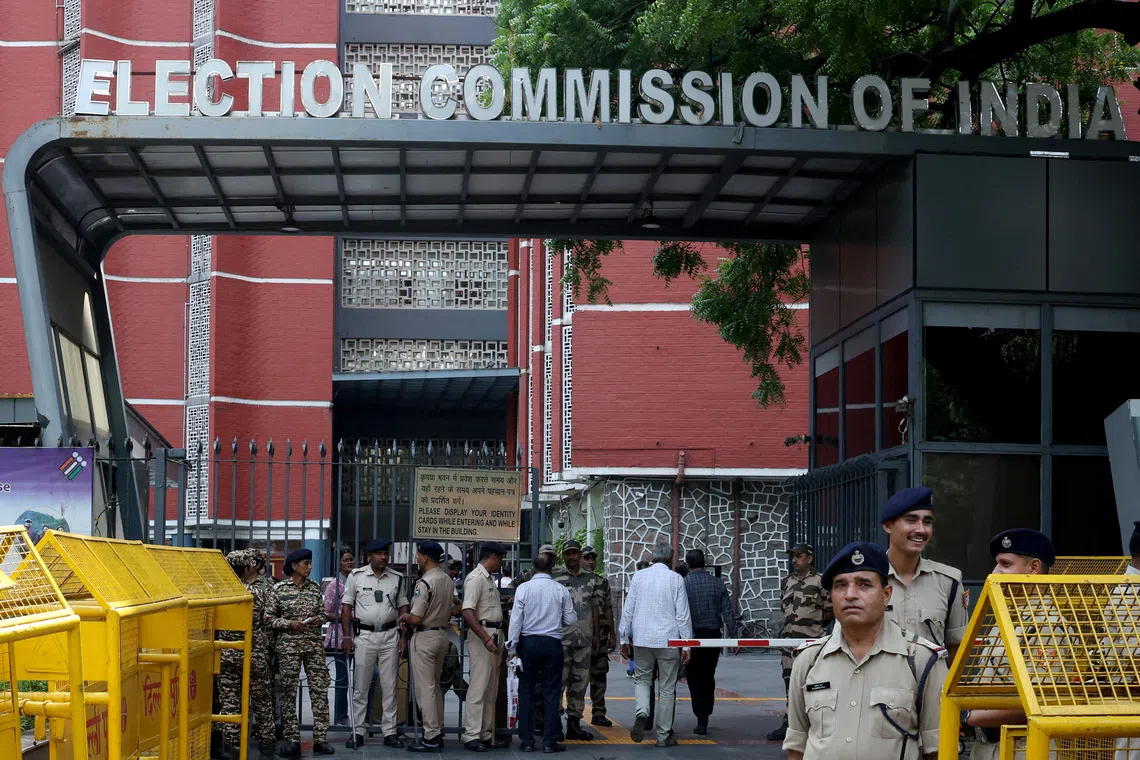
NEW DELHI — India's effort to validate the eligibility of its vast electorate has drawn intense scrutiny from political opponents who question the transparency and impact of the verification process. The Election Commission of India's initiative to cross-check voter registrations has become a flashpoint in domestic politics, with critics arguing the exercise could systematically exclude legitimate voters from the electoral roll.
Opposition parties have alleged that the voter verification drive creates opportunities for manipulation of electoral records, potentially disadvantaging certain demographic groups or regions. They contend that the process lacks sufficient safeguards and public oversight to ensure fair implementation across India's diverse states and union territories.
The controversy highlights longstanding tensions over electoral administration in the world's largest democracy. Questions about voter roll accuracy, eligibility criteria, and verification methodology have surfaced repeatedly, with stakeholders divided on whether such exercises strengthen electoral integrity or introduce new vulnerabilities.
The Election Commission has framed the verification effort as essential for maintaining accurate voter rolls and preventing fraudulent registrations. However, civil society groups and political parties have called for greater transparency in the verification criteria, methodology, and results to ensure the process does not disenfranchise eligible voters.