World · India Bureau
India's World War II contribution remains largely undocumented, historians say
The Indian Army mobilised the world's largest volunteer force during World War II, yet comprehensive records of soldiers' experiences remain scarce. Historians say this gap leaves a significant chapter of global history inadequately chronicled.
LSN India ·
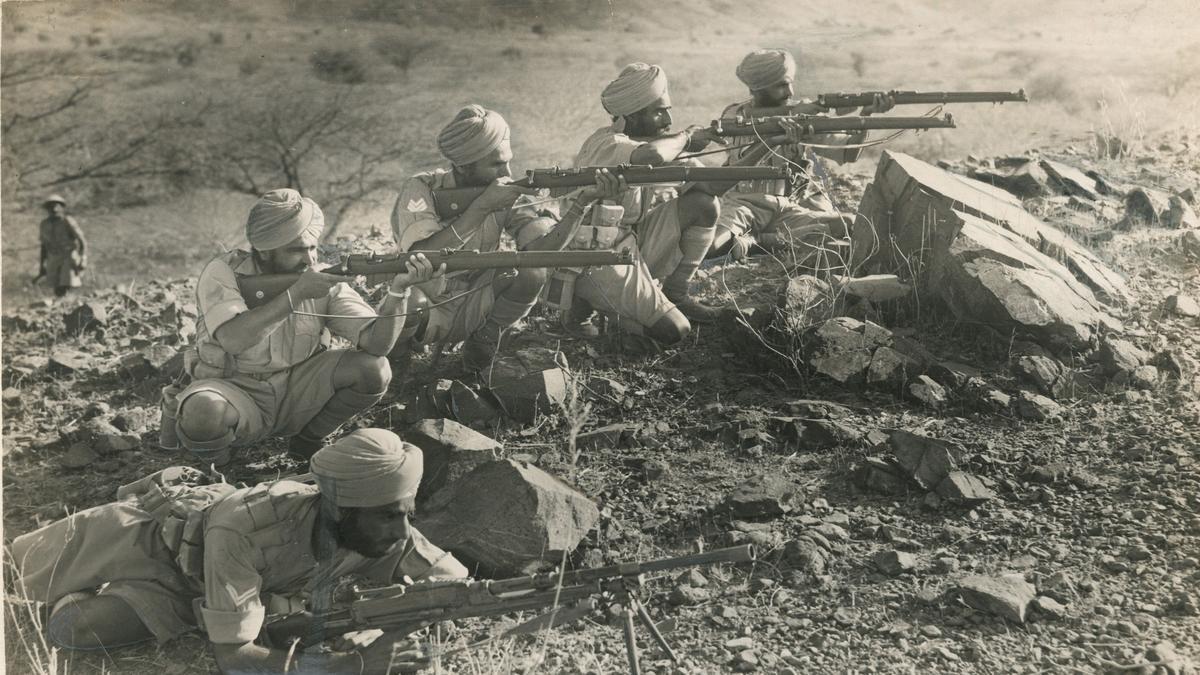
India fielded millions of soldiers across multiple continents during World War II, making the Indian Army's contribution one of the most substantial by any nation during the conflict. These troops served in North Africa, Southeast Asia, the Mediterranean and European theatres, facing combat conditions and casualties that shaped the war's outcome in several regions.
Despite the scale of Indian military involvement and the sacrifice of hundreds of thousands of soldiers, institutional efforts to preserve comprehensive records of their experiences have remained limited. Archives documenting individual accounts, unit histories and battlefield experiences are fragmented across various repositories, making it difficult for researchers and historians to access a complete picture of India's role.
This documentation gap has resulted in the marginalisation of Indian soldiers' narratives in global World War II historiography. While other nations have invested significantly in preserving and promoting their servicemen's stories, India's war archives remain less developed, leaving many soldiers' contributions largely unrecognised internationally.
Historians and archivists have underscored the importance of establishing more systematic documentation efforts. Such initiatives would not only honour the memory of Indian servicemen but also provide crucial perspectives on the war that have been absent from mainstream historical accounts. The absence of these records represents both a loss to collective memory and a missed opportunity to understand the conflict's truly global dimensions.