World · India Bureau
India secures expanded EU steel quota; carbon tariff concerns persist
India has won preferential access to additional steel exports in the European Union market, though negotiations have failed to resolve New Delhi's concerns about the bloc's controversial carbon border adjustment mechanism.
LSN India ·
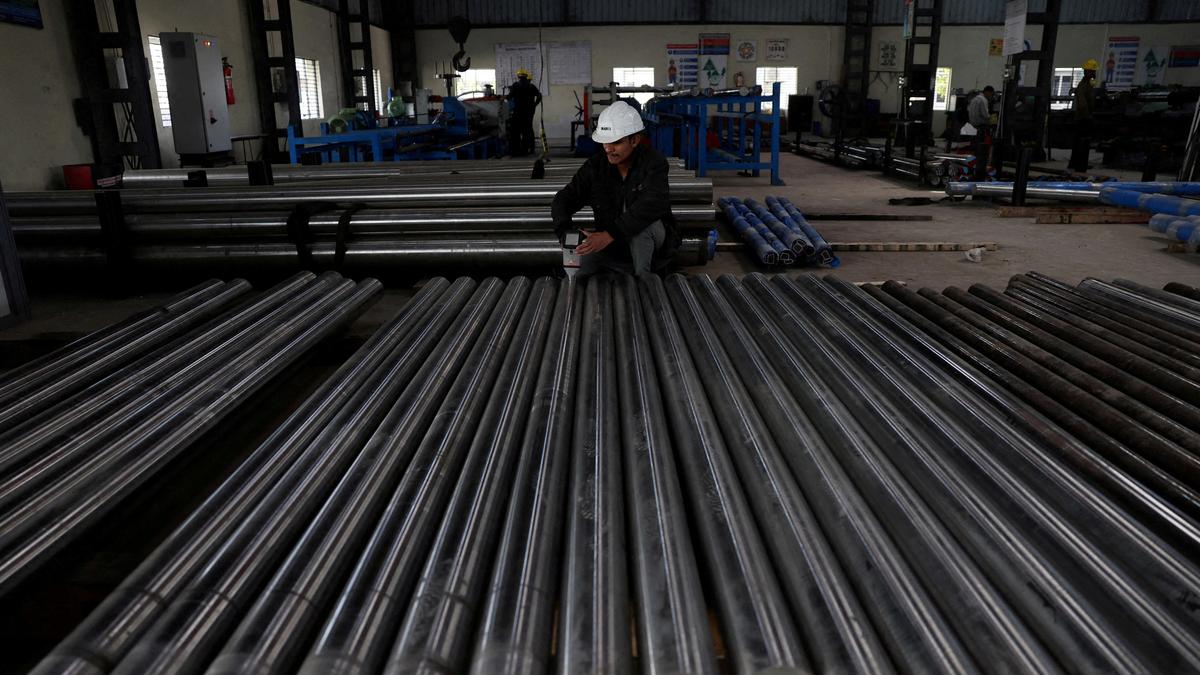
India has secured an expanded quota to export steel to the European Union under a new trade arrangement, gaining preferential access to ship an additional 694,853 tons annually on top of its existing World Trade Organization allocation of 946,616 tons. The increased quota represents a significant commercial win for India's steel sector, one of the country's major export industries, and reflects the EU's recognition of India as a strategic trading partner in a critical industrial sector.
However, the agreement falls short of addressing one of India's primary grievances: the EU's Carbon Border Adjustment Mechanism, or CBAM, which imposes carbon levies on imported goods. New Delhi has consistently argued that the tariff unfairly penalizes Indian steel manufacturers and other exporters, particularly given India's developmental status and lower per-capita carbon emissions compared to developed nations.
The CBAM, set to enter its taxable phase in coming years, has sparked considerable friction with major trading partners worldwide. India contends that the mechanism effectively raises barriers for developing economies and disadvantages producers in countries with lower wages and cleaner energy infrastructure. Despite intensive negotiations, the EU has maintained its position on implementing the carbon levy as part of its climate commitments.
The expanded steel quota represents a pragmatic compromise, allowing both sides to advance commercial interests while broader disputes over trade policy remain unresolved. Industry analysts expect the additional market access to provide Indian steelmakers with greater flexibility in meeting European demand, though the absence of CBAM relief means exporters will continue facing cost pressures in the bloc's market.