Business · India Bureau
India seeks new palm oil suppliers as Southeast Asia boosts biofuel blends
With Indonesia and Malaysia increasing biodiesel mandates, India is looking beyond traditional sources to secure palm oil supplies. Colombia, the world's fourth-largest palm oil producer, has emerged as a potential new import partner for Indian refiners.
LSN India ·
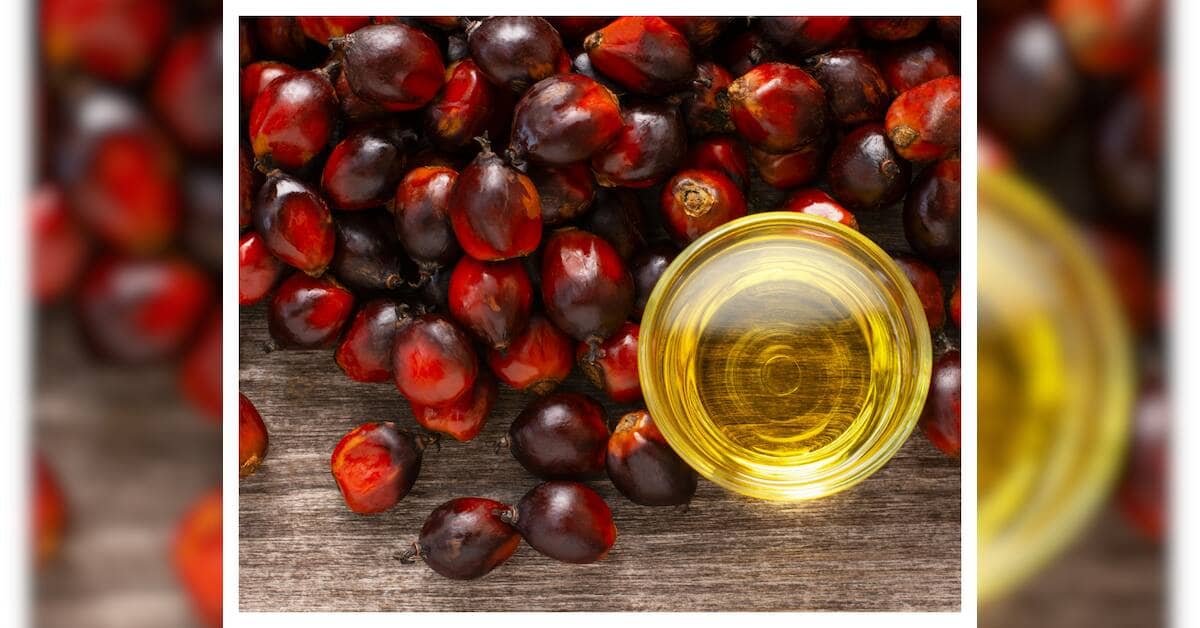
India is diversifying its palm oil sourcing strategy as major Southeast Asian producers redirect supplies to meet rising biofuel blending requirements. Indonesia and Malaysia, traditionally the world's largest palm oil suppliers, are raising their biodiesel blending mandates, which is expected to tighten global supplies and potentially raise prices for importing nations like India.
In response to this supply pressure, Indian oil companies and traders are turning attention to Colombia, the world's fourth-largest palm oil producer. The South American nation, which has historically played a smaller role in global palm oil trade dominated by Southeast Asian suppliers, presents a viable alternative for India to reduce its dependence on volatile regional markets.
The shift reflects broader concerns about India's palm oil security as biodiesel adoption accelerates across Asia. Increased biofuel blending mandates in Indonesia and Malaysia mean less palm oil will be available for export, potentially disrupting India's import patterns and pushing prices higher. By cultivating new supplier relationships in Colombia and potentially other producers, India aims to stabilize its palm oil costs and ensure adequate supplies for its growing edible oil and fuel sectors.
Industry observers expect India to increase negotiations with Colombian producers in coming months as part of a longer-term strategy to create a more balanced import portfolio. The move could also benefit Indian consumers by moderating domestic cooking oil prices, which have remained elevated due to global supply constraints.