Politics · India Bureau
India seeks regulatory clarity from Brazil to expand pharmaceutical exports
India and Brazil have moved to strengthen their trade relationship, with New Delhi pushing for a more predictable regulatory framework to boost pharma sector exports. The two nations have also agreed to expedite negotiations on expanding their existing trade agreement with Mercosur.
LSN India ·
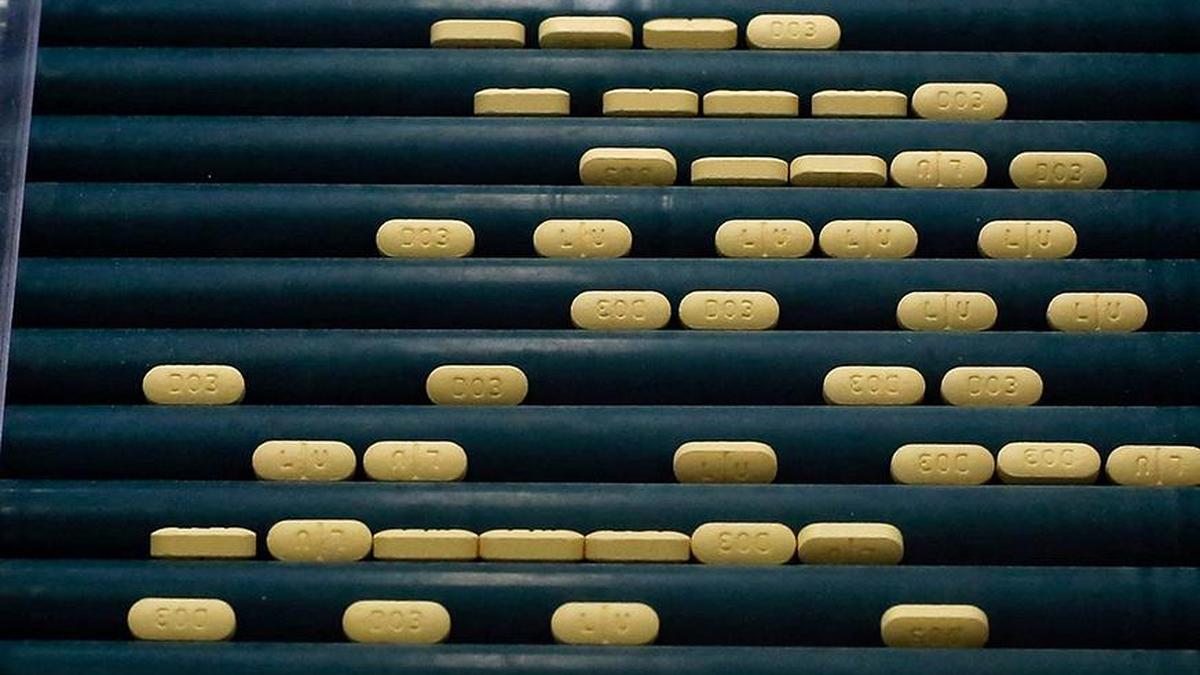
India has called on Brazil to establish a more transparent and predictable regulatory environment to facilitate growth in pharmaceutical exports to the South American nation. The appeal comes as part of broader efforts to deepen bilateral trade ties between the two countries, particularly in sectors where Indian companies have competitive advantages.
During recent discussions, officials from both nations acknowledged the potential for expanded cooperation in the pharmaceutical sector, where Indian manufacturers have established significant presence across Latin America. A more stable regulatory framework would enable Indian pharma companies to better plan long-term investments and streamline product approvals in the Brazilian market.
In a parallel development, India and Brazil have agreed to accelerate the finalization of terms of reference for launching comprehensive negotiations aimed at expanding their existing trade agreement with Mercosur, the South American trade bloc. This initiative reflects both countries' commitment to leveraging their economic relationship to create mutually beneficial trade opportunities.
The agreement to expedite Mercosur-related negotiations signals a broader strategic intent to enhance market access for Indian goods and services across the region. Pharmaceutical products, information technology services, and agricultural exports are expected to feature prominently in the expanded trade discussions.
These developments underscore India's growing focus on strengthening economic partnerships in Latin America as part of its wider diversification strategy away from traditional markets.