Business · Singapore Bureau
India seeks to curb Chinese imports despite growing trade reliance
New Delhi has expressed ambitions to reduce its dependence on Chinese goods, yet Indian demand for imports from its neighbour continues to climb, creating a widening trade imbalance. India currently purchases roughly seven times more from China than it exports to the country.
LSN Singapore ·
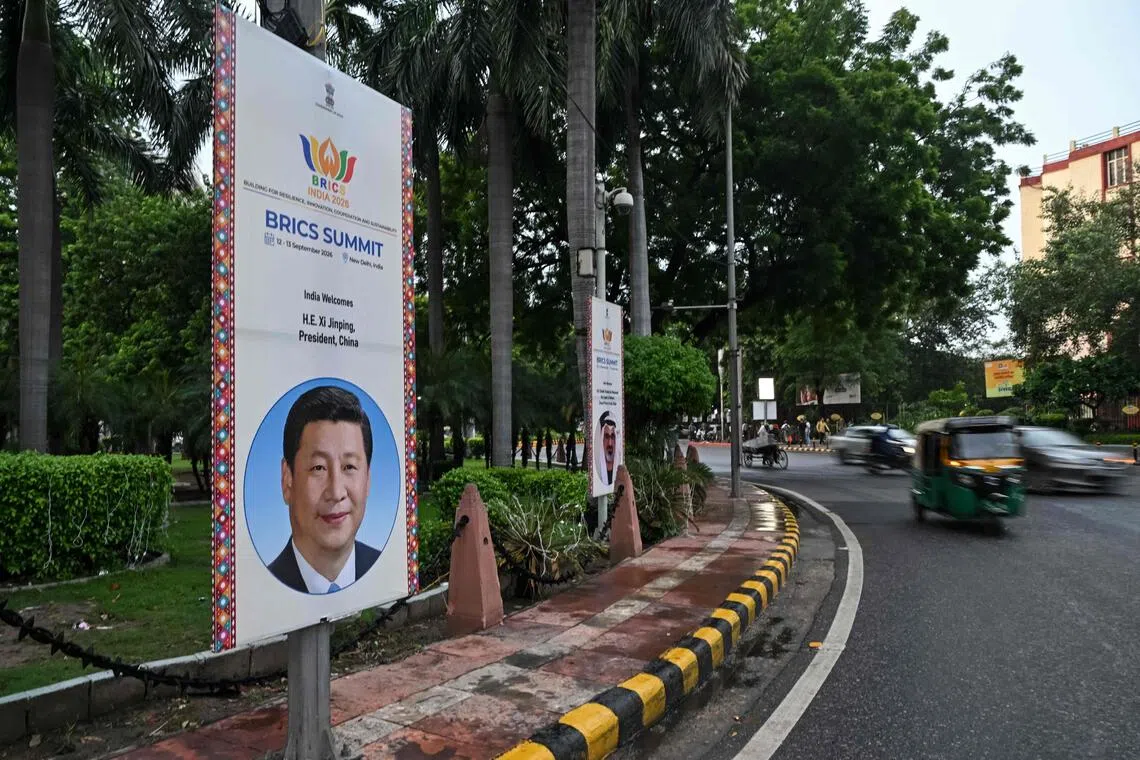
India's policy efforts to decrease reliance on Chinese imports have clashed with economic realities on the ground, as Indian businesses and consumers continue to depend heavily on goods sourced from across the border. The trade deficit has become a persistent challenge for New Delhi, which has sought various measures to promote domestic manufacturing and reduce the import gap.
The asymmetry in bilateral commerce reflects India's structural need for Chinese manufactured products, ranging from electronics to raw materials, which remain competitive on price and unavailable in sufficient domestic supply. Chinese exporters have maintained strong market share in India despite periodic trade tensions and government initiatives favouring local alternatives.
Government efforts including the Make in India programme and other protectionist policies have achieved limited success in stemming the flow of Chinese goods into Indian markets. Industry observers note that building alternative supply chains and domestic manufacturing capacity requires time, capital investment, and technological development that India continues to undertake.
The trade imbalance underscores the broader challenge facing New Delhi as it attempts to balance nationalist economic policies with practical import requirements. Analysts expect the dynamics to shift gradually as Indian manufacturing capacity expands, though substantial dependency on Chinese imports is likely to persist in the medium term.