World · World News Bureau
India Seeks to Strengthen Military Command Networks Amid Regional Tensions
With a growing arsenal of advanced weapons systems, India is focusing on integrating its defense infrastructure through improved command and control networks. Military strategists say robust connectivity is essential to maximize the effectiveness of the country's expanding weapons portfolio.
LSN World News ·
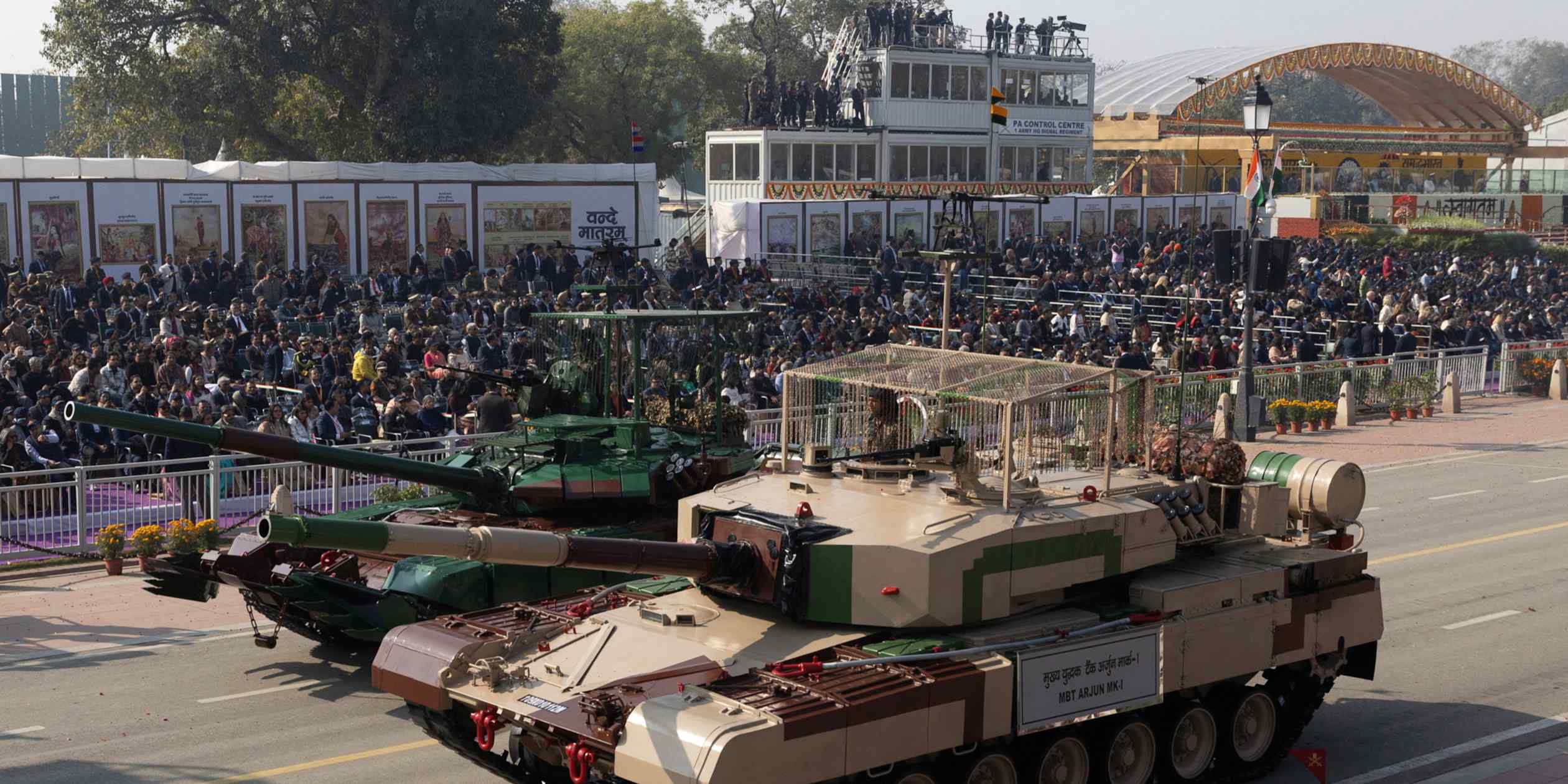
India's military modernization efforts have resulted in the acquisition of sophisticated defense platforms in recent years, from fighter jets to missile systems. However, defense analysts point out that possessing advanced weaponry is only part of the equation—the ability to coordinate and deploy these assets effectively requires seamless integration across all service branches.
The Indian armed forces have identified command, control, and communication networks as a critical capability gap. Military officials have stressed the importance of establishing unified systems that allow real-time information sharing between the Army, Navy, and Air Force. Such integrated networks would enable faster decision-making and more coordinated responses during crises or conflicts.
Improving these systems remains a substantial challenge for India's defense establishment. Current infrastructure relies on legacy communications systems in some sectors, and modernizing them across the geographically vast nation requires significant investment and technical coordination. Defense planners are prioritizing the development of secure, interoperable networks that can withstand potential cyber threats.
The push to strengthen military connectivity comes as India faces security challenges in the Indian Ocean region and along its northern borders. Strategic analysts argue that without robust networks binding together its weapons systems, India cannot fully leverage its growing military capabilities. Officials indicate that several initiatives are underway to address these gaps, though details remain limited for operational security reasons.