Politics · India Bureau
India slashes import duties on edible oils to ease food inflation
The government has significantly reduced tariffs on crude palm, soya and sunflower oils in a bid to stabilize domestic prices. The duty cuts, effective from September 24, are aimed at increasing supply and providing relief to consumers amid persistent food inflation.
LSN India ·
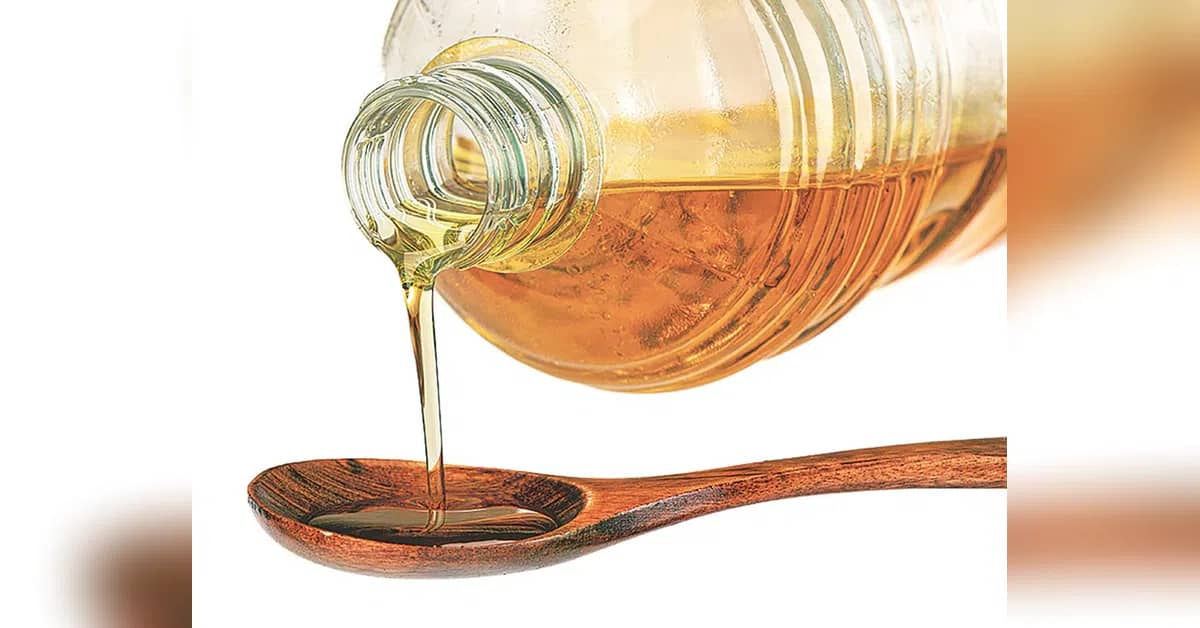
India's government has announced a sharp reduction in import duties on key edible oils, bringing crude palm and soya oils down to 5 per cent while eliminating tariffs entirely on crude sunflower oil. The measures, which come into effect on September 24, also include lower rates on refined variants of these oils, signaling a concerted push to ease food prices across the country.
The duty restructuring reflects growing concerns over edible oil costs, which have remained a significant contributor to India's retail inflation. By lowering barriers to imports, policymakers hope to expand the supply of cooking oils in domestic markets and prevent further price escalation that affects millions of households.
Crude palm oil, widely used in food processing and cooking, has been particularly affected by supply chain disruptions and global commodity price fluctuations. The soya and sunflower oil sectors, equally important for the Indian food industry, have similarly faced inflationary pressures. The tariff cuts are intended to make these imports more competitive relative to domestically produced oils.
The government's move aligns with its broader strategy to combat inflation without imposing price controls that could distort markets. By adjusting import duties, authorities aim to encourage competition and improve availability while supporting both consumer spending power and domestic producers through market mechanisms rather than administrative measures.