World · India Bureau
India streamlines visa process with simplified categories, shorter forms
India has overhauled its visa framework, introducing leaner application procedures and renamed visitor visa categories to better align with travellers' specific needs. The new system introduces differentiated visa tiers and expedited pathways for subject-matter experts.
LSN India ·
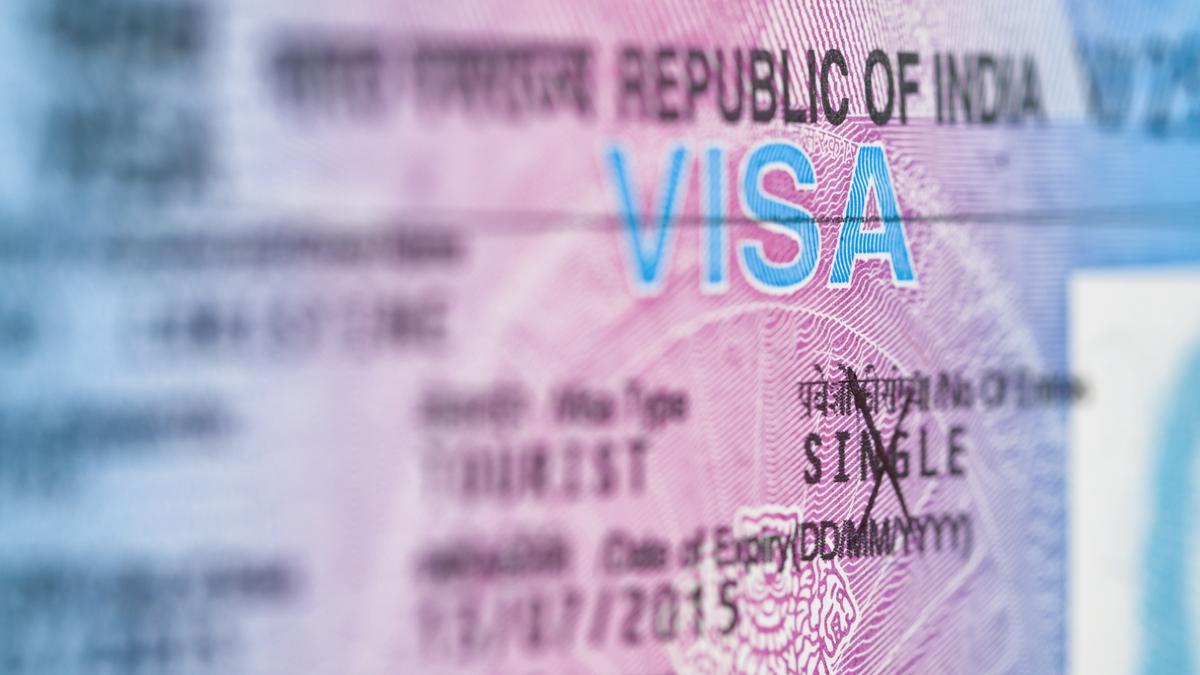
India's Ministry of External Affairs has announced significant reforms to its visa classification system, aimed at reducing bureaucratic complexity and accelerating processing times for international visitors. The overhaul includes renaming the tourist visa as a 'visitor visa' and introducing a two-tier subcategory structure to accommodate varying travel purposes and durations.
Under the revised framework, visitor visa applicants will now choose between V-1 and V-2 classifications based on the nature and duration of their proposed visit. This segmented approach allows the government to tailor validity periods, entry conditions, and documentation requirements more precisely to individual travel scenarios, potentially reducing unnecessary paperwork for short-term visitors while maintaining security protocols.
A significant administrative improvement sees visa application forms reduced by approximately 70 per cent in length, addressing long-standing complaints about cumbersome documentation procedures. The streamlined forms are expected to expedite initial processing and reduce submission errors caused by complexity.
The reforms also introduce a dedicated pathway for subject-matter experts, a category encompassing academics, researchers, technical specialists, and other professionals requiring rapid visa facilitation. This provision recognises India's role as a hub for knowledge exchange and aims to attract global talent more efficiently.
Official statements indicate the simplified system will maintain India's security and immigration standards while reducing processing delays that have historically deterred visitors and professionals from applying.