World · India Bureau
India taps canal networks for solar expansion without land acquisition
Canal-top solar installations are emerging as a practical alternative to traditional ground-based projects in India, requiring minimal additional land while addressing the mounting costs and challenges of land acquisition. Early implementations in Punjab demonstrate the approach's viability at scale.
LSN India ·
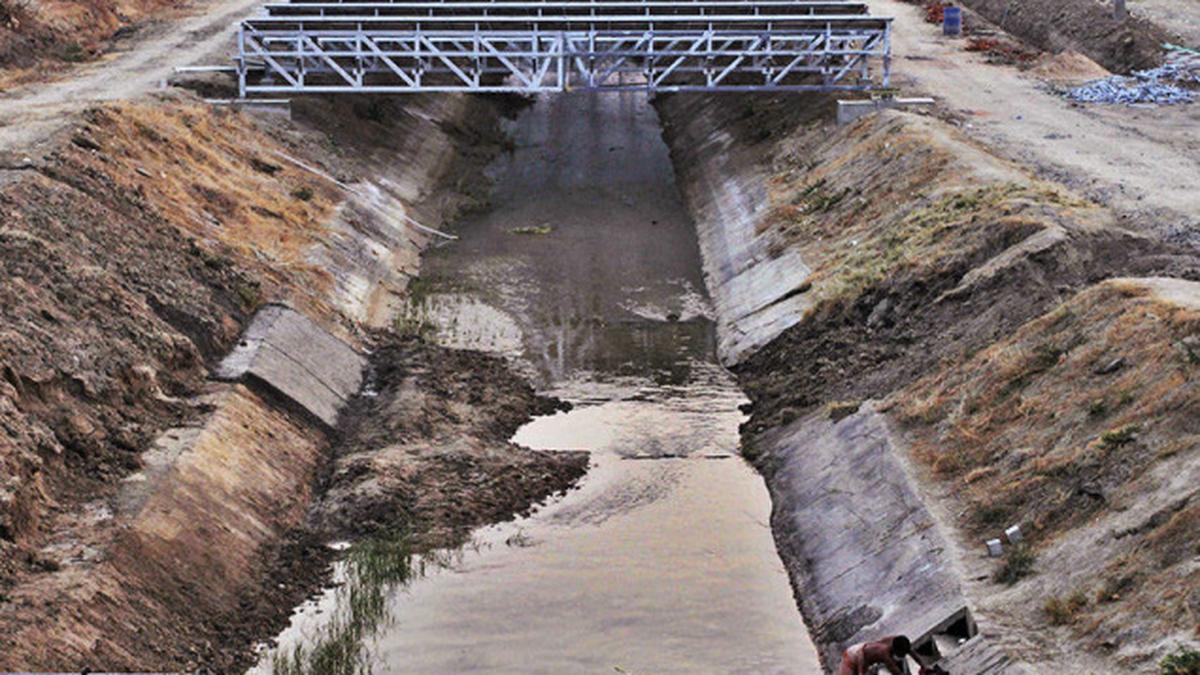
India's extensive network of irrigation canals is increasingly being recognized as prime real estate for solar power generation, offering a solution to one of the sector's most pressing challenges: land availability and acquisition costs.
Canal-top photovoltaic systems function similarly to floating solar installations, with panels mounted on structures above waterways rather than occupying agricultural or other land. As large-scale solar deployment accelerates across India, competition for land has driven acquisition costs upward, making alternative approaches economically attractive.
Punjab has emerged as an early adopter of the technology. A 20-megawatt installation of canal-top solar systems in the state is estimated to have conserved nearly 100 acres of land that would otherwise have been required for conventional ground-mounted solar farms. The preserved acreage underscores the approach's potential to support India's renewable energy ambitions while minimizing land-use conflicts.
Beyond land conservation, canal-top installations offer secondary benefits. The panels can reduce water evaporation from canals while simultaneously generating electricity, creating a dual-purpose utility model. As India pursues its renewable energy targets and confronts finite land resources, such multipurpose infrastructure solutions are likely to gain traction across regions with established canal networks.