Business · India Bureau
India targets complete domestic SCADA production by 2030 amid security concerns
India's Central Electricity Authority has unveiled an indigenisation roadmap to eliminate dependence on imported SCADA systems for its power grid by 2030. The phased approach aims to address growing cybersecurity vulnerabilities and supply-chain risks as the nation's electricity infrastructure becomes increasingly digital.
LSN India ·
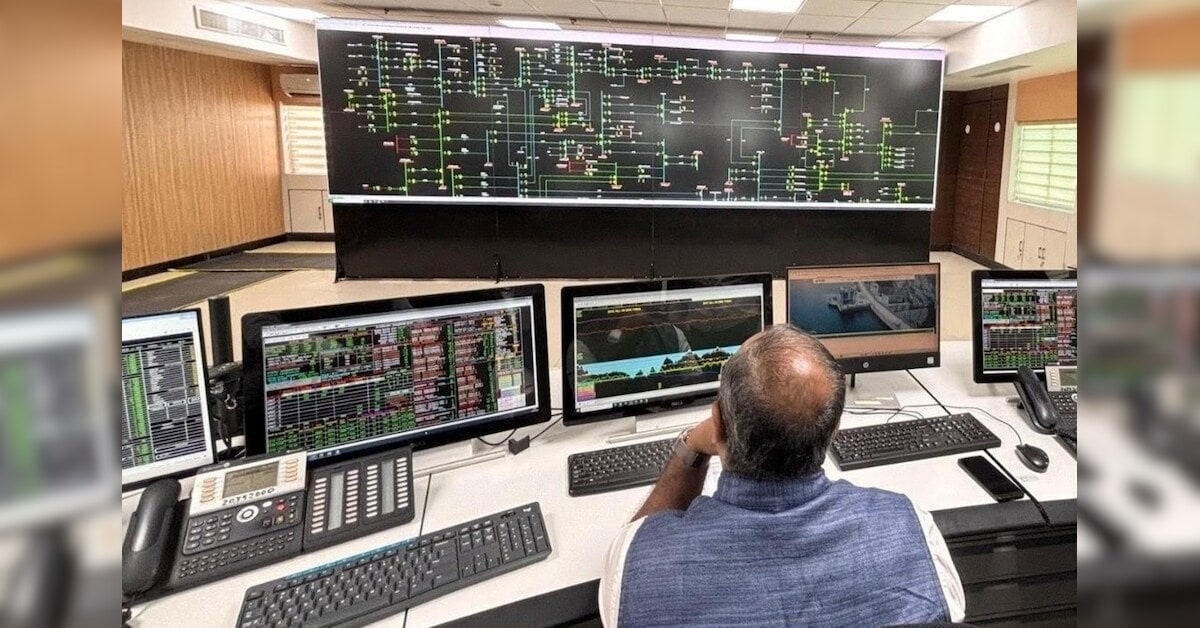
The Central Electricity Authority (CEA) has announced a comprehensive plan to transition India's power sector away from imported Supervisory Control and Data Acquisition (SCADA) systems, signalling a strategic shift toward self-reliance in critical grid infrastructure. The initiative comes as electricity distribution and transmission operators grapple with expanding digital vulnerabilities and external supply-chain dependencies that could undermine operational resilience.
SCADA systems form the backbone of India's increasingly automated power networks, enabling remote monitoring and control of generation, transmission, and distribution assets. However, reliance on foreign suppliers has exposed the sector to potential cybersecurity threats and supply disruptions, particularly as geopolitical tensions persist across South Asia and beyond. The CEA's indigenisation plan addresses these systemic risks by establishing a timeline for developing and deploying domestically manufactured SCADA solutions across state and central utilities.
The phased approach will require coordination between government agencies, power utilities, and domestic technology providers to build technical capability and manufacturing capacity. India's push for energy infrastructure autonomy aligns with broader 'Make in India' objectives and reflects growing recognition that critical power systems cannot remain dependent on foreign technology providers in an increasingly contested security environment.
Successful implementation will require substantial investment in research, development, and industrial infrastructure. State-owned and private power entities will need to accelerate their transition timelines to meet the 2030 target, while simultaneously maintaining operational reliability across a grid serving over 1.4 billion people. The CEA's roadmap represents a significant undertaking that will reshape India's power sector technology landscape over the coming decade.