Business · India Bureau
India tightens pharmaceutical microbial contamination standards under Schedule M
The Union Health Ministry has proposed stricter microbial contamination limits for Grade A clean areas in pharmaceutical manufacturing facilities. The move aims to align India's drug production standards more closely with World Health Organization guidelines.
LSN India ·
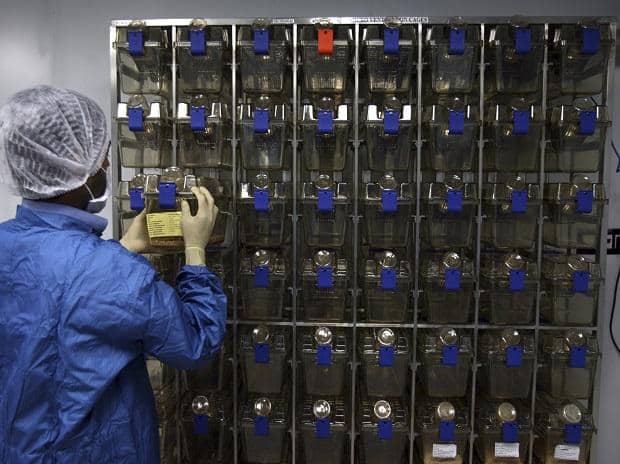
India's pharmaceutical regulatory framework is set for a significant tightening of microbial contamination controls as the Union Health Ministry moves to revise Schedule M of the Drugs and Cosmetics Rules. The proposed amendments focus on Grade A clean areas—the most stringent production environments used for sterile drug manufacturing.
The revision seeks to establish microbial contamination limits that mirror international best practices outlined by the WHO. This alignment is expected to strengthen quality assurance protocols across India's pharmaceutical manufacturing sector, which supplies medicines to domestic and global markets.
Schedule M, which governs good manufacturing practices for pharmaceutical products, serves as the backbone of India's drug quality standards. The stricter norms would apply to facilities engaged in the production of injectable drugs, ophthalmic preparations, and other sterile pharmaceutical products that demand the highest contamination controls.
The proposed changes reflect India's ongoing efforts to maintain competitiveness in global pharmaceutical markets while ensuring domestic drug safety standards remain robust. Industry stakeholders are expected to provide feedback during the consultation phase before the final regulations are notified.
The move underscores the Health Ministry's commitment to harmonizing Indian pharmaceutical standards with international benchmarks, a priority that has gained prominence amid increased regulatory scrutiny of Indian drug manufacturers by global authorities.