Politics · India Bureau
India tightens solar generation data tracking under PM Surya Ghar scheme
The Ministry of New and Renewable Energy has issued fresh guidelines requiring rooftop solar system operators to report daily generation data at the inverter level. The move aims to enhance monitoring of distributed solar installations across the country.
LSN India ·
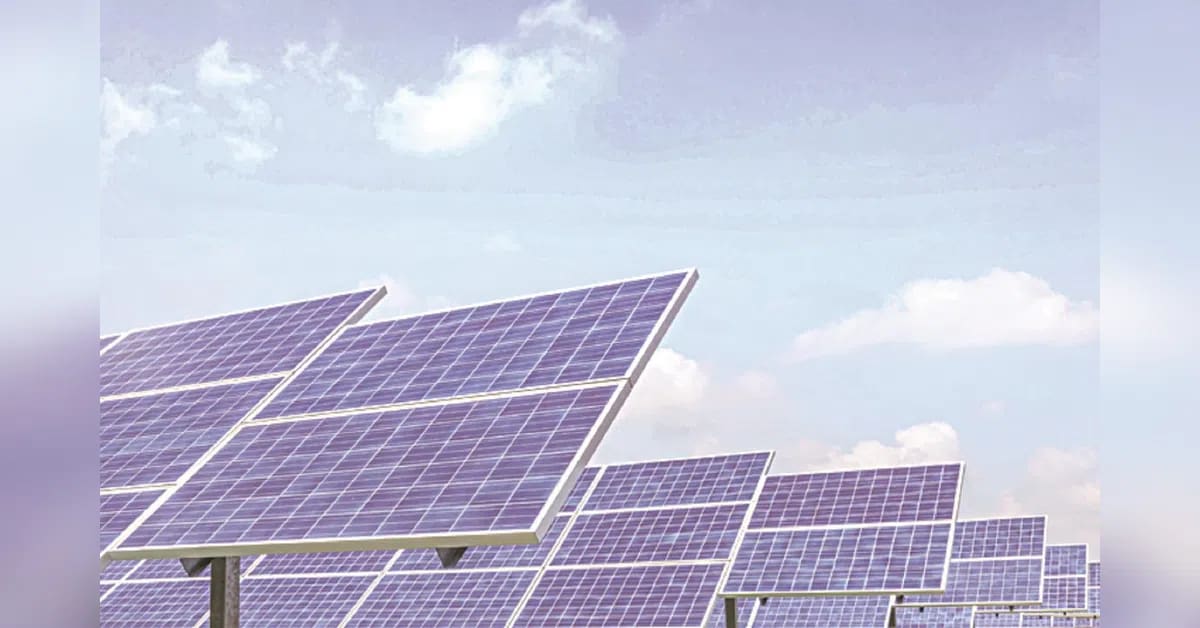
India's renewable energy regulator has stepped up its oversight of residential and small-scale solar installations by mandating more granular reporting of power generation. Under the revised framework for the PM Surya Ghar scheme, operators of rooftop solar systems must now submit daily output data to the National Portal, marking a significant shift from broader reporting requirements.
The Ministry of New and Renewable Energy's latest order requires inverter-level data submission, enabling authorities to track individual system performance with greater precision. This represents a tightening of existing protocols that previously allowed for less frequent reporting of generation metrics from distributed solar networks.
Government officials view enhanced data collection as essential for validating subsidies disbursed under the flagship PM Surya Ghar Muft Bijli Yojana, which aims to install rooftop solar on 10 million homes. Real-time generation tracking allows the ministry to cross-reference actual output against expected performance, reducing the risk of irregularities in incentive disbursement.
The directive applies to all new and existing systems registered under the scheme, with operators required to integrate their inverters with the centralized portal. Energy analysts suggest the move could improve India's overall renewable energy data infrastructure while supporting the government's push toward residential solar adoption and energy independence.