World · India Bureau
India to expand NAMASTE scheme to rural areas amid high rejection rates
The National Commission for Scheduled Castes has flagged concerns over a self-employment initiative for sanitation workers, noting that fewer than one percent of identified beneficiaries have received capital assistance. The government plans to scale up the NAMASTE scheme to reach more workers in rural India.
LSN India ·
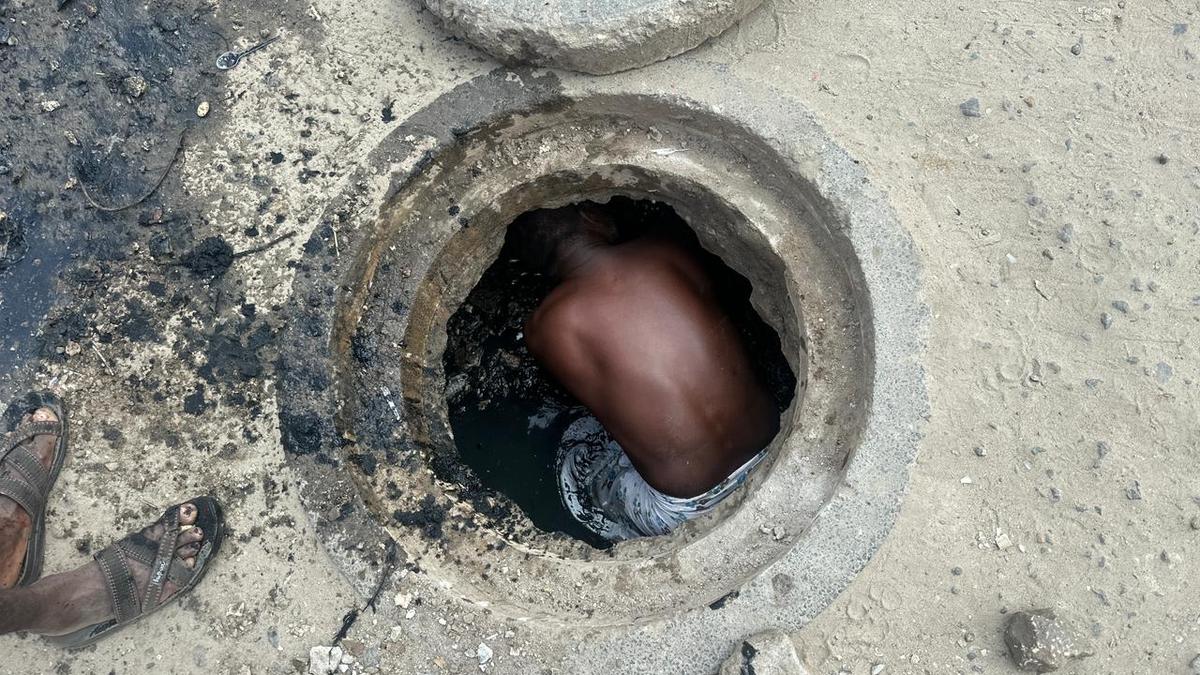
The NAMASTE scheme, designed to support self-employment among sewer and septic tank workers, faces significant implementation challenges, according to findings by the National Commission for Scheduled Castes. Of nearly 100,000 workers identified as eligible under the initiative, only 810 received approval for capital subsidies, with just 147 actually receiving funds.
The low approval rate has prompted authorities to reassess and expand the scheme's reach across rural India, where sanitation workers have limited access to financial support and skill development programmes. Officials attributed the bottleneck to stringent eligibility criteria and documentation requirements that have deterred applications in many regions.
The NAMASTE scheme aims to facilitate self-employment and entrepreneurship among sanitation workers by providing capital subsidies and skills training. Expanding the programme to rural areas is expected to simplify the application process and increase accessibility for workers in smaller towns and villages.
Government representatives indicated that revised guidelines would be implemented to streamline approvals and ensure more beneficiaries can access the scheme's benefits. The initiative forms part of broader efforts to improve working conditions and economic opportunities for India's sanitation workforce.