World · India Bureau
India to Make Advanced Emergency Braking Mandatory in Cars by 2032
India's Ministry of Road Transport and Highways has issued a draft regulation requiring all new passenger cars to be equipped with Advanced Emergency Braking Systems from October 1, 2032. The mandate represents a significant shift in vehicle safety standards, comparable to the earlier requirement for six airbags in all cars.
LSN India ·
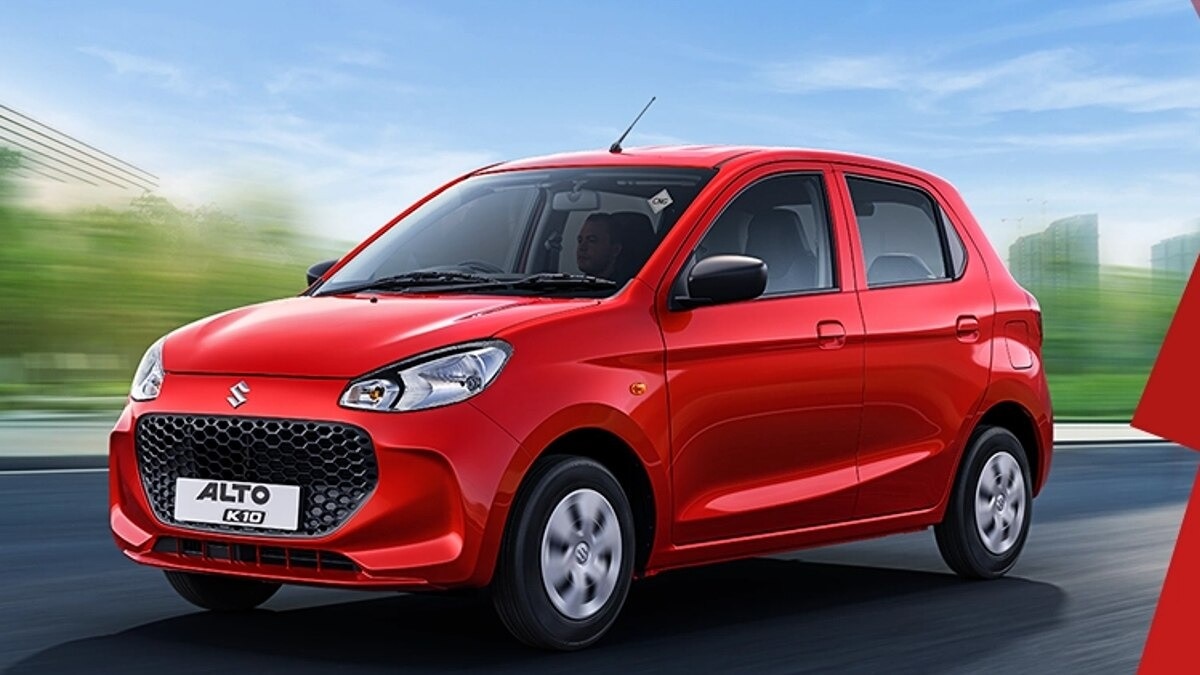
The Ministry of Road Transport and Highways has released a draft notification that will make Advanced Emergency Braking Systems (AEBS) a mandatory safety feature in M1 category vehicles—standard passenger cars—starting October 2032. The move aims to reduce accidents and fatalities on Indian roads by requiring manufacturers to equip all new cars with this collision-avoidance technology.
Advanced Emergency Braking Systems use sensors and cameras to detect potential collisions and automatically apply brakes if the driver fails to respond in time. The technology has been shown to significantly reduce the severity of crashes and prevent some accidents entirely, particularly in urban driving conditions and highway scenarios.
The implementation timeline of approximately seven years gives automotive manufacturers sufficient lead time to integrate the technology into their production facilities and vehicle platforms. Industry observers note this follows India's established pattern of phased safety regulation adoption, similar to the mandatory introduction of six airbags across all passenger vehicles in recent years.
The draft regulation is currently open for stakeholder feedback before finalization. Once implemented, the requirement will apply to all new car models manufactured and sold in India, establishing AEBS as a standard safety feature alongside existing mandates for airbags, anti-lock braking systems, and electronic stability control.