World · India Bureau
India to mandate automatic emergency braking in all new vehicles by 2030
The government is pushing for mandatory installation of Advanced Emergency Braking Systems (AEBS) in new automobiles as part of a broader safety initiative. The technology, a cornerstone of modern driver assistance systems, aims to significantly reduce road accidents and fatalities across Indian highways and city roads.
LSN India ·
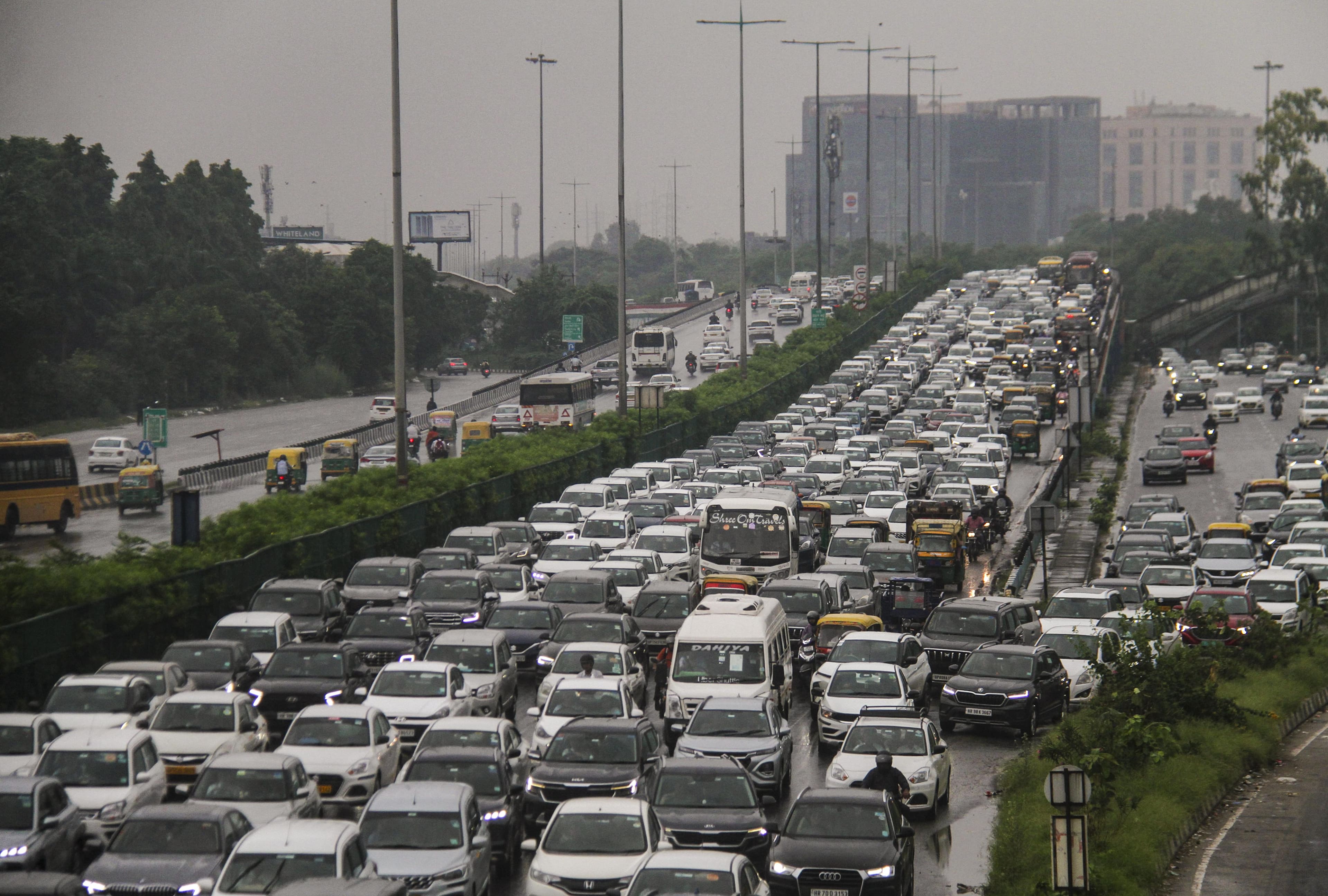
India's automotive regulator is moving toward making automatic emergency braking systems compulsory in all newly manufactured vehicles starting 2030, marking a significant shift in vehicle safety standards across the country. AEBS represents a critical component of Advanced Driver Assistance Systems (ADAS), a comprehensive suite of over 100 electronic safety technologies designed to prevent collisions and mitigate crash severity.
The automatic braking technology functions by detecting obstacles or vehicles ahead using sensors and cameras, automatically applying brakes when a collision risk is identified. This intervention occurs within milliseconds, often before a driver can react, providing an additional layer of protection for vehicle occupants and road users.
The push for mandatory AEBS installation reflects growing concerns about India's road safety record, with thousands of fatal accidents occurring annually. By incorporating such technologies across all new vehicle segments, policymakers aim to reduce human error-related crashes, which account for the majority of road accidents in the country.
The 2030 timeline allows Indian automakers sufficient lead time to integrate AEBS into their manufacturing processes and vehicle platforms. Industry observers expect this regulation to align India's safety standards more closely with global norms already implemented in developed markets, while also encouraging manufacturers to incorporate additional ADAS features that enhance overall driving safety.