World · India Bureau
India to mandate automatic emergency braking in new vehicles by 2030
India's road ministry has unveiled draft regulations requiring automatic emergency braking systems (AEBS) in all new car models from October 2030, with existing production models to comply by October 2032. The safety measure aims to reduce collision-related fatalities on Indian roads.
LSN India ·
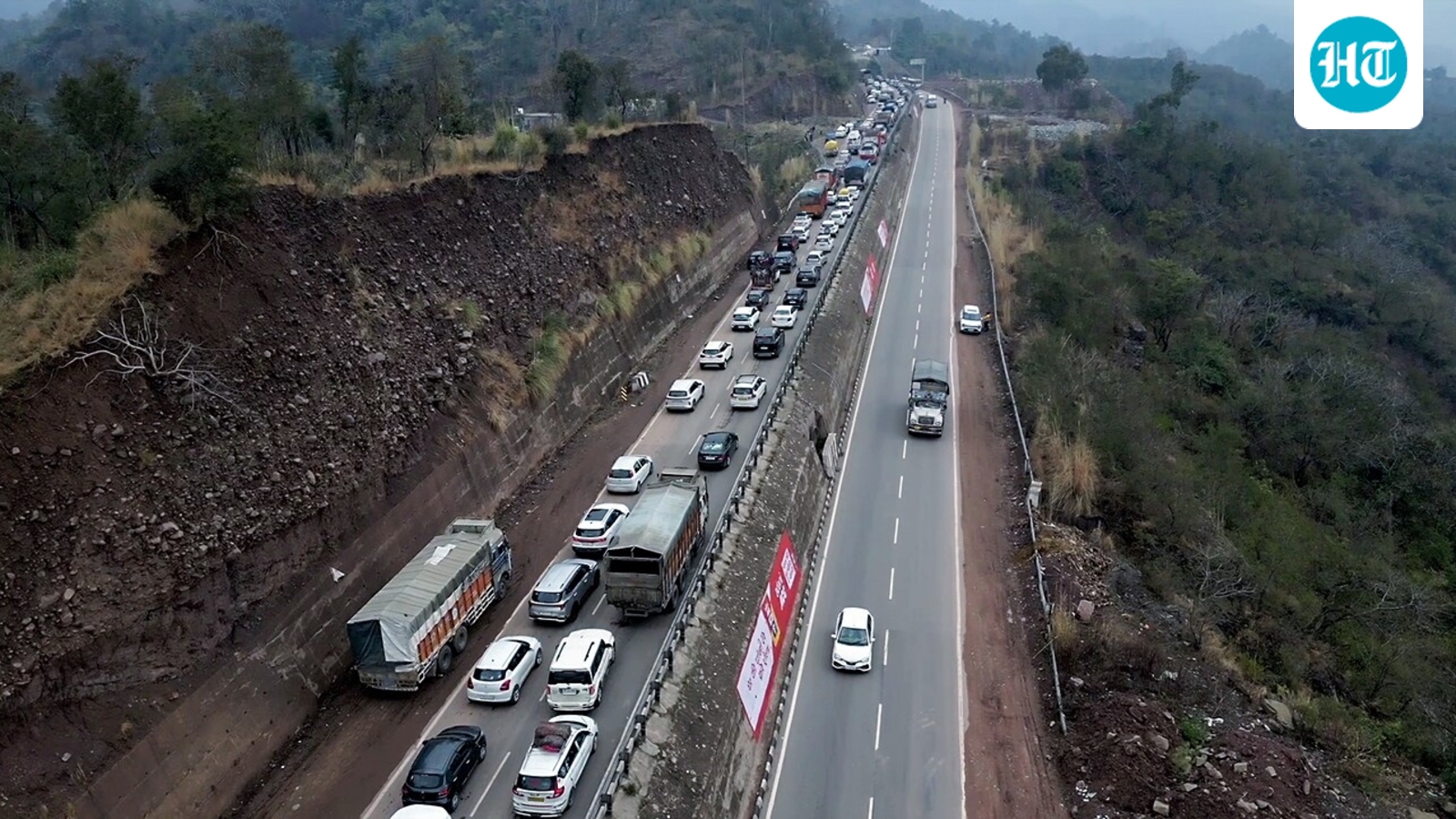
The Ministry of Road Transport and Highways has proposed comprehensive rules that would make automatic emergency braking a mandatory safety feature across India's automotive sector. Under the phased implementation timeline, manufacturers launching new car models must equip them with AEBS technology starting October 2030, providing the industry nearly six years to adapt production processes and supply chains.
Existing car models that remain in production will face a later compliance deadline of October 2032, allowing continued availability of current vehicles while gradually transitioning the entire fleet to include the advanced safety technology. This staggered approach balances safety improvements with industry considerations regarding retooling and market disruption.
Automatic emergency braking systems are designed to detect imminent collisions and automatically apply brakes if drivers fail to respond, significantly reducing accident severity and fatalities. The technology has demonstrated substantial effectiveness in preventing rear-end collisions and other common crash scenarios on both highways and urban roads.
The draft rules represent India's commitment to adopting globally established vehicle safety standards as part of its broader road safety agenda. With India accounting for a significant share of global road fatalities, regulatory measures targeting collision prevention are expected to contribute meaningfully to reducing traffic deaths and serious injuries.